Why Choosing a Pediatric Dentist Matters for Your Child
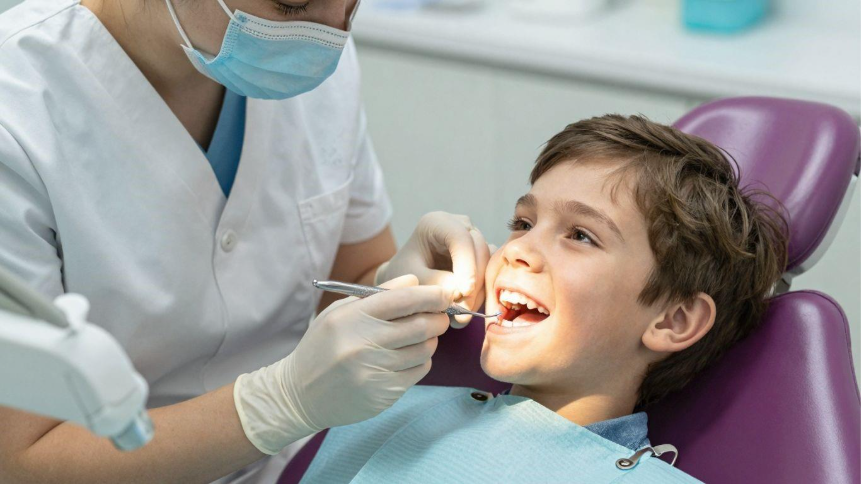
When it comes to your child's smile, you want the best care possible. You might wonder if a general dentist is enough, or if there's a reason to specifically seek out a pediatric dentist. Pediatric dentists have special training focused entirely on children's oral health, from their first tooth to their teenage years. This specialized approach can make a big difference in how comfortable your child feels and how well their dental needs are met.
Key Takeaways
- Pediatric dentists have extra years of training focused on child development, behavior, and dental care for kids.
- Their offices are designed to be welcoming and fun for children.
- They use tools and techniques designed specifically for children’s smaller mouths.
- They focus strongly on preventive care and education.
- Positive early experiences help build lifelong oral health habits.
What Makes a Pediatric Dentist Different?
Pediatric dentists receive additional training beyond dental school that focuses on treating infants, children, and teenagers. Their education includes child psychology, growth and development, and behavior management.
This specialized knowledge allows them to manage common childhood dental issues such as cavities in baby teeth, thumb-sucking habits, and dental anxiety. They understand how children’s teeth and jaws develop and adjust care accordingly.
Specialized Training and Expertise
- Two to three extra years of education focused on children’s oral health
- Expertise in managing dental anxiety and child behavior
- Knowledge of growth patterns in developing teeth and jaws
- Focus on early prevention and habit formation
Child-Centered Dental Environment
Pediatric dental offices are designed to feel friendly and welcoming. Bright colors, playful decorations, and engaging waiting areas help children feel relaxed and comfortable before their appointment.
Dentists and staff use gentle communication methods and explain procedures in simple terms so children feel safe and confident during visits.
Features of a Pediatric Dental Office
- Kid-friendly decor and themed treatment rooms
- Entertainment such as ceiling-mounted TVs or games
- Staff trained to communicate effectively with children
- Positive reinforcement techniques to build trust
Technology and Tools Designed for Children
Pediatric dentists use child-sized dental instruments and advanced technology to make treatments more comfortable and less intimidating. These tools are designed to fit smaller mouths and reduce discomfort.
How Technology Helps
- Smaller instruments for safer, gentler treatment
- Digital X-rays with lower radiation exposure
- Faster diagnosis and early detection of dental issues
- Entertainment options to reduce anxiety during procedures
Preventive Care for Healthy Development
Pediatric dentists focus on preventing dental problems before they start. They monitor tooth eruption, jaw growth, and habits that may affect alignment or oral health.
Preventive Care Includes
- Monitoring baby and permanent tooth development
- Guidance on thumb-sucking and pacifier habits
- Diet and nutrition counseling for healthy teeth
- Fluoride treatments to strengthen enamel
- Dental sealants to protect chewing surfaces
Partnering With Parents
Pediatric dentists work closely with parents to support a child’s oral health. They educate families on proper brushing, flossing, and nutrition while addressing concerns at every stage of development.
This partnership helps ensure consistent care at home and builds confidence in children to take responsibility for their oral hygiene.
A Smile for a Lifetime
Choosing a pediatric dentist in Chino helps give your child a positive start with dental care. With specialized training, child-friendly environments, and a preventive approach, pediatric dentists help set the foundation for a lifetime of healthy smiles. Contact Smile Artistry Chino today to provide your child with gentle and specialized pediatric dental care.
Frequently Asked Questions
What is a pediatric dentist and how are they different from a regular dentist?
A pediatric dentist is like a pediatrician, but for teeth! They go through extra years of training after dental school specifically focused on how to care for babies, children, and teenagers. This special training helps them understand the unique needs of young smiles, from their first tooth to their teenage years, and even kids with special health needs. While a regular dentist can see patients of all ages, a pediatric dentist is a kid-expert.
Why is it important for my child to see a pediatric dentist?
Pediatric dentists are trained to make dental visits fun and less scary for kids. Their offices are often designed to be more welcoming and playful, with special tools and techniques that make dental care more comfortable. They also focus on teaching good habits early on, which can help prevent problems as your child grows.
What kind of extra training do pediatric dentists have?
Beyond regular dental school, pediatric dentists complete an additional two to three years of training. This extra education covers things like child behavior, how to handle nervousness, and the specific ways children's teeth and jaws develop. They learn how to make kids feel safe and understand how to treat dental issues that are common in children.
How do pediatric dentists make dental visits comfortable for children?
Pediatric dentists create a child-friendly atmosphere. Their offices might have bright colors, toys, or even TVs on the ceiling to distract and entertain. The staff is trained to talk to children in a way they understand, explaining procedures gently and positively. They also use smaller instruments and techniques that are less intimidating for little ones.
Can a pediatric dentist help with habits like thumb-sucking or pacifier use?
Yes, pediatric dentists are very familiar with common childhood habits like thumb-sucking or using a pacifier. They can offer guidance and suggest gentle ways to help children break these habits if they might affect their teeth or jaw development. They focus on preventive care tailored to these specific childhood behaviors.
What is preventive care in pediatric dentistry?
Preventive care means taking steps to keep your child's teeth healthy and avoid problems before they start. This includes regular cleanings, applying fluoride to strengthen teeth, teaching proper brushing and flossing techniques, and sometimes using sealants to protect the chewing surfaces of back teeth. Pediatric dentists work with parents to create a plan for lifelong oral health.
Blog Post Author

Contributed by DentalROI
DentalROI provides relevant dental content to help providers educate patients. The statements, services, and products referenced in this article have not been evaluated by the Food and Drug Administration, and they are not intended as a substitute for professional medical advice, diagnosis, or treatment. Always seek the advice of your dental provider with any questions or issues you may have. Specific recommendations may vary in different circumstances, so individual consultation is important.