When Is a Tooth Extraction Necessary Instead of a Root Canal?
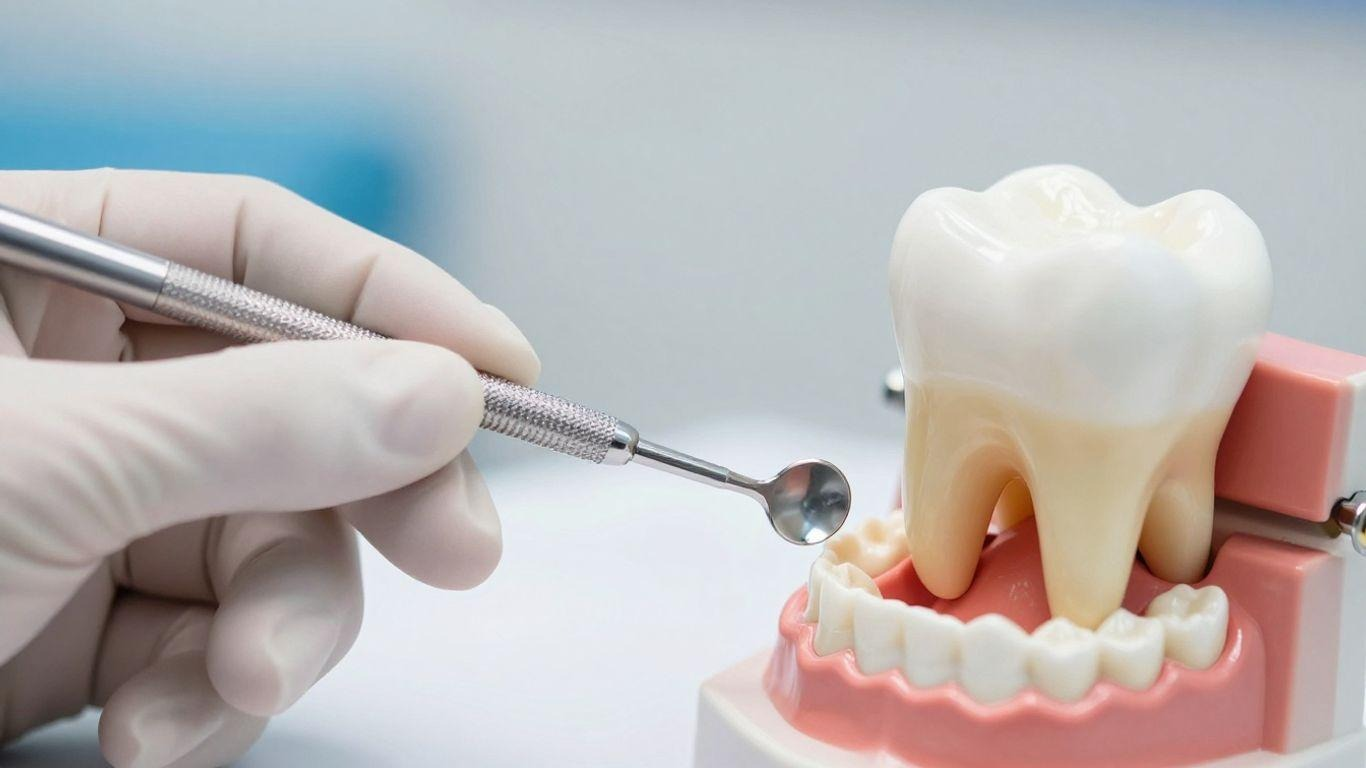
So, you've got a toothache, and your dentist says you've got options: a root canal or an extraction. It's a tough decision, and honestly, most dentists would rather save your natural tooth if they can. But sometimes, a tooth is just too far gone. Let's talk about when pulling a tooth is the way to go instead of trying to save it with a root canal.
How does a dentist decide between saving or removing a tooth?
Figuring out if a tooth can be saved or needs to go involves a few things. Your dentist will look at how bad the damage or infection is. They'll also consider your overall mouth health and what might be best for you down the road. It's not always a clear-cut answer, but here are some big clues:
Severe Decay or Damage: If a tooth has so much decay that there's not much tooth left to work with, or if it's cracked all the way down to the root, saving it might be impossible. Think of it like a building with a foundation that's completely crumbled – you can't just patch it up.
- Advanced Gum Disease: If your gums are really unhealthy and the bone supporting the tooth is mostly gone, even a root canal won't help. The tooth just won't have anything holding it in place.
- Infection Spread: Sometimes, an infection from a tooth can spread to the surrounding bone, creating a cyst or abscess. If this is really bad and has destroyed too much bone, extraction might be the only way to get rid of the infection completely.
- Tooth Fracture: A crack that goes below the gum line or splits the tooth into multiple pieces often means the tooth is a goner. Trying to save it would be a losing battle.
Dentists usually prefer to keep your natural teeth whenever possible. They're designed to last a lifetime and are best for chewing, speaking, and keeping your jawbone healthy. Extraction is often the last resort when saving the tooth just isn't a realistic option anymore.
Basically, if the tooth is beyond repair, causing major problems, or if saving it would be a waste of time and money with a low chance of success, your dentist will likely recommend an extraction. It's about making the best choice for your health, even if it means saying goodbye to that tooth.
Tooth Extraction vs Root Canal — Which Is the Better Choice?
When you're facing a tooth that's seen better days, your dentist might offer two main paths: a root canal to save it, or an extraction to remove it. It's a big decision, and honestly, there's no single "better" answer that fits everyone. The best choice really boils down to what's going on with that specific tooth, your overall mouth health, and what you want for your smile down the road. Let's chat about the tooth extraction vs root canal which is better question.
Is it always better to save a tooth with a root canal?
Generally speaking, dentists are big fans of keeping your natural teeth whenever possible. Think of your natural teeth as the original equipment – they work best, feel best, and keep everything else in your mouth in line. A root canal aims to do just that: save a tooth that's infected or badly damaged. The dentist cleans out the yucky stuff inside the tooth, disinfects it, and then fills it up to seal it off. Often, a crown goes on top to give it extra strength.
Here's why saving a tooth is usually the go-to:
- Keeps your bite natural: Your teeth work together. Saving one means less disruption to how you chew and speak.
- Prevents bone loss: When a tooth is gone, the bone underneath can start to shrink. Saving the tooth avoids this.
- Maintains alignment: Missing teeth can cause the other teeth to drift into the empty space, messing up your bite.
- Looks and feels like you: It's your natural tooth, after all!
However, there are times when a root canal just isn't in the cards, and extraction becomes the necessary route. Sometimes, the damage is just too extensive, or the infection has spread too far. In these cases, removing the tooth is the only way to stop the problem from getting worse and affecting your overall health. While extraction might seem simpler upfront, it often means you'll need to think about replacing that tooth later with an implant, bridge, or denture to avoid those other issues like shifting teeth and bone loss. So, while saving a tooth is usually preferred, it's not always the most practical or even possible solution.
When a Dentist Chooses Extraction Over Root Canal
Sometimes, even with the best intentions, a tooth just can't be saved. When dentist chooses extraction over root canal, it's usually because the damage is too far gone for a root canal to be effective. Think of it like trying to fix a car that's been in a really bad accident – sometimes, it's just not worth the effort or cost to repair it.
What Tooth Damage Makes a Root Canal No Longer Possible?
So, what kind of mess are we talking about? Several things can push a tooth past the point of no return for a root canal:
- Severe cracks or fractures: If a tooth has a deep crack that goes all the way down to the root, or if it's broken into multiple pieces, it's often impossible to seal it properly after a root canal. The structural integrity is just gone.
- Advanced gum disease: When your gums are really unhealthy and the bone supporting the tooth is significantly lost, the tooth becomes loose and unstable. Even if the inside of the tooth is okay, it won't have a solid foundation to stand on.
- Extensive decay: If decay has eaten away so much of the tooth that there's barely anything left to work with, a root canal and subsequent crown just won't have enough tooth structure to attach to. It's like trying to build a house on sand.
- Previous failed root canal: Sometimes, a root canal doesn't work out the first time. If an infection comes back or wasn't fully cleared, and the tooth structure is already weakened from the previous procedure, extraction might be the only way to go.
It's not a decision dentists take lightly. They'll always try to save your natural tooth if there's a reasonable chance it will last. But when the damage is too severe, extraction becomes the more practical and sensible choice to prevent further problems.
Basically, if the tooth is too broken, too loose, or too decayed to be properly restored and function normally, your dentist will likely recommend pulling it. It's a bummer, but it's better than trying to save something that's just going to cause more trouble down the line.
Root Canal vs Extraction Decision Factors Explained
So, how does a dentist actually figure out if you need a root canal or if it's time to say goodbye to a tooth with an extraction? It's not just a random guess, you know. There are several root canal vs extraction decision factors that come into play, and your dentist weighs them carefully.
First off, the condition of the tooth is a big deal. Is the damage really bad, like a crack that goes way down the root? Or is it more of an infection inside the pulp that can be cleaned out? The extent of decay or damage is probably the most important thing.
Then there's your overall mouth health. Do you have other dental issues going on? Sometimes, a tooth might be too far gone, or maybe it's just in the way of other teeth that are healthier. Your dentist looks at the whole picture.
Here are some key things your dentist considers:
- Severity of Infection/Damage: How deep does the problem go? Can the tooth structure be saved?
- Tooth Location and Function: Is it a back molar that's hard to reach, or a front tooth that affects your smile?
- Patient's Overall Health: Are there any medical conditions that might affect healing or treatment choices?
- Cost and Long-Term Goals: What's the financial situation, and what does the patient want for their smile down the road?
What happens to the gap left after an extraction?
This is a super common question, and it's a pretty big deal. When a tooth is pulled, you're left with a gap. Now, your mouth is designed to be a pretty tight-knit community, and when one member leaves, the others tend to notice. The teeth next to the gap might start to drift or tilt into that empty space. Even the tooth directly opposite can sometimes shift downwards or upwards. This shifting can mess with your bite, making it harder to chew properly and potentially causing jaw pain or headaches over time. It can also make cleaning your teeth a bit trickier, increasing the risk of cavities and gum disease in the surrounding teeth.
Leaving a gap can lead to a domino effect in your mouth. Teeth can move, bite can change, and it might even affect how you speak or eat. It's not just about the missing tooth; it's about how the rest of your mouth reacts to that space.
Sometimes, dentists will recommend replacing the extracted tooth with something like a dental implant, a bridge, or even a partial denture. These options help keep your other teeth from moving and restore your ability to chew and speak normally. They also help maintain the bone structure in your jaw, which can shrink when there's no tooth root there anymore.
Is It Better to Pull a Tooth or Get a Root Canal?
So, you're wondering, is it better to pull a tooth or get a root canal? It's a big question, and honestly, there's no single right answer that fits everyone. Dentists usually lean towards saving your natural tooth if at all possible. Think of it like fixing a leaky pipe instead of just tearing down the wall. A root canal is all about saving that tooth. They go in, clean out the gunk from the inside, seal it up, and usually put a crown on top to make it strong again. It keeps your bite right and stops your other teeth from deciding to go on a road trip into the new space.
On the flip side, pulling a tooth (extraction) is pretty straightforward – the tooth comes out. This is usually for teeth that are just too far gone, maybe cracked badly or infected beyond repair. It can be quicker and sometimes cheaper upfront, which is tempting. But, and this is a big 'but,' you're left with a gap.
Here's a quick rundown of what to expect:
- Root Canal: Saves your natural tooth, keeps your bite stable, and prevents bone loss. It might take a couple of visits and can feel like a more involved process.
- Extraction: Removes the problem tooth completely. It's often faster but can lead to shifting teeth, bite issues, and might need a replacement later (like an implant or bridge) to avoid those problems.
The main goal is always to keep as much of your natural smile as possible. Losing a tooth can affect how you chew, speak, and even how your face looks over time. Plus, those neighboring teeth have a tendency to drift into the empty space, which can cause a whole new set of problems down the road.
Ultimately, your dentist will look at the specific situation – how bad the damage is, your overall mouth health, and what makes the most sense for you long-term. It's a chat you'll have with them to figure out the best path forward.
Conclusion
Deciding between saving a tooth with a root canal or having it pulled through an extraction isn't always straightforward. Your dentist is your best guide here. They'll look at how bad the damage is, your overall mouth health, and what makes the most sense for you long-term. Usually, keeping your natural tooth is the goal if it's possible. But sometimes, extraction is the only way to fix a serious problem. Whatever the case, talking it through with your dentist will help you make the right choice for your smile.
Frequently Asked Questions
How does a dentist decide if a tooth needs to be pulled or can be saved?
Your dentist checks things like how badly the tooth is damaged or infected. If there's a good chance to fix it and make it strong again, they'll likely suggest a root canal. But if the tooth is broken too much, has a really bad infection that can't be cleared, or is causing problems for other teeth, pulling it might be the only option.
Is saving a tooth with a root canal always the best choice?
Most of the time, yes. Keeping your natural tooth is usually better for your mouth in the long run. It helps keep your jawbone healthy and stops your other teeth from moving around. But if a tooth is just too far gone, then saving it might not be realistic, and pulling it is the way to go.
What kind of tooth damage means a root canal won't work?
If the roots of the tooth are badly damaged, or if there's a serious infection that has spread way beyond the tooth itself, a root canal might not be able to fix it. Also, if a tooth is cracked all the way down to the root, or if it's just too loose in the jaw, pulling it is often the better choice.
What happens after a tooth is pulled out?
When a tooth is removed, it leaves a gap. This space can cause problems. Your other teeth might start to lean or shift into the empty spot over time. This can mess up how your teeth fit together when you bite. Sometimes, people get a replacement tooth, like an implant or a bridge, to fill the gap and keep everything in place.
Does a root canal hurt more than pulling a tooth?
Actually, most people find root canals are not as painful as they used to think. With today's numbing medicine, it often feels similar to getting a filling. Pulling a tooth can be uncomfortable too, especially afterward when it's healing. Your dentist will make sure you're comfortable during either procedure.
How long does it take to heal after each procedure?
Healing times can differ. For a root canal, the tooth itself is saved, but you might feel some soreness for a few days, similar to a filling. After pulling a tooth, you'll have some swelling and maybe a little bleeding for about a day. The whole area usually takes a couple of weeks to feel completely normal again.
Blog Post Author

Contributed by DentalROI
DentalROI provides relevant dental content to help providers educate patients. The statements, services, and products referenced in this article have not been evaluated by the Food and Drug Administration, and they are not intended as a substitute for professional medical advice, diagnosis, or treatment. Always seek the advice of your dental provider with any questions or issues you may have. Specific recommendations may vary in different circumstances, so individual consultation is important.