What To Eat After Dental Implant Surgery
Getting dental implants is a big step towards a better smile, but the recovery period is super important. What you eat right after surgery can really make a difference in how well things heal. It's not just about avoiding pain; it's about giving your mouth the best chance to recover and the implant the best chance to settle in. So, let's talk about what to eat after dental implant surgery to make sure you're on the right track.
Helpful Things to Know
- For the first few days after surgery, stick to cool liquids like broths and smoothies, avoiding straws.
- Gradually introduce soft foods like mashed potatoes, scrambled eggs, and yogurt within the first week.
- Avoid crunchy, tough, chewy, sticky, acidic, spicy, and very hot foods and drinks to protect the implant site.
- Continue a soft diet for at least 7-10 days, or longer if recommended by your dentist, especially after bone grafting.
- Focus on nutrient-rich foods, especially protein, to support healing and maintain energy levels.
What to Eat After Dental Implant Surgery?
So, you've had your dental implant surgery – congrats! Now comes the important part: figuring out what to eat so everything heals up nicely. It might seem a bit daunting, but don't worry, it's mostly about sticking to softer foods for a while. The key is to give your mouth a break and let those implants settle in without any fuss.
What foods are safe to eat right after implant surgery?
Right after your procedure, your mouth will be a bit sensitive, and you might still feel some numbness. The goal is to keep things simple and gentle. Think liquids and super soft foods that don't require much chewing at all. This helps prevent any irritation or damage to the surgical site.
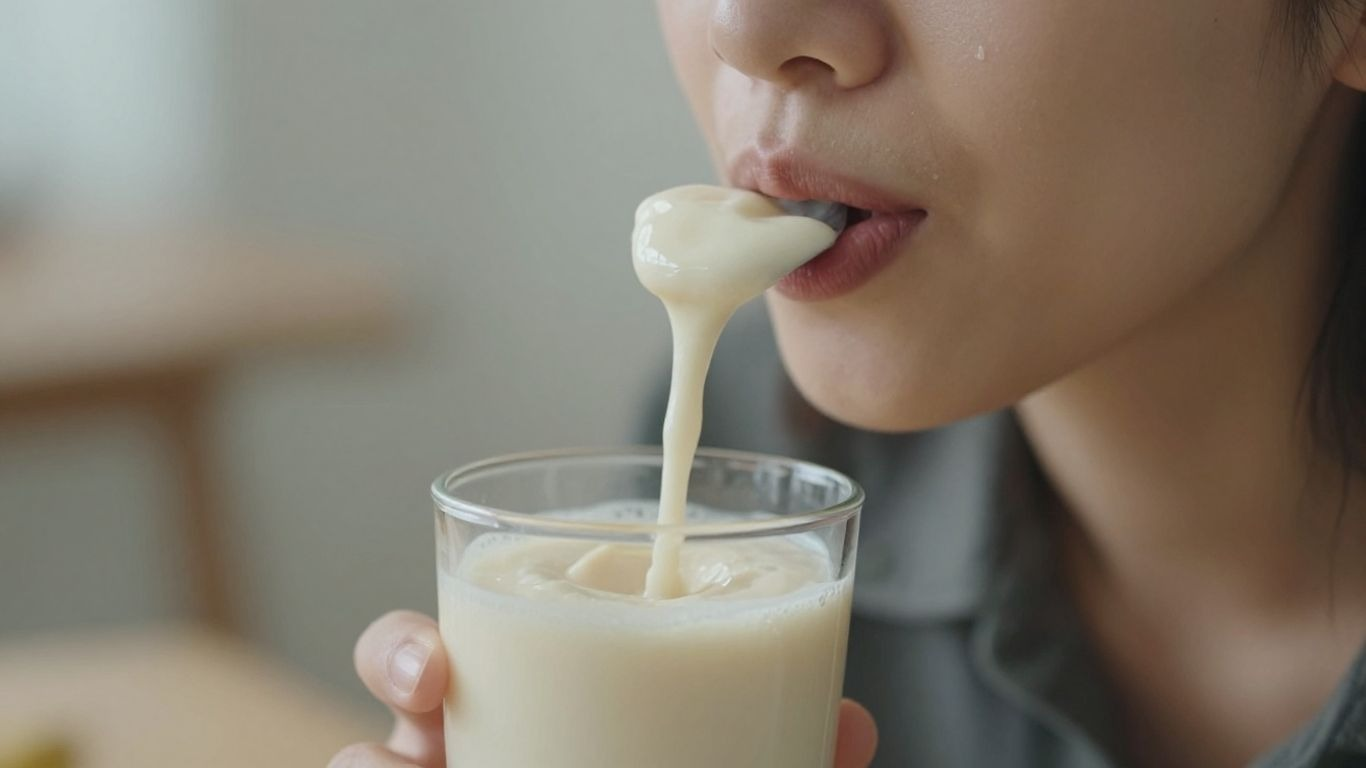
- Smoothies: Load them up with yogurt, soft fruits like bananas or berries, and maybe even some protein powder. Just remember, skip the straw – the suction can be a problem.
- Broths and Soups: Opt for lukewarm or cold broths (vegetable or bone broth are great) and pureed soups. Make sure there are no chunky bits.
- Applesauce: It's easy to swallow and provides some nutrients.
- Yogurt and Pudding: These are smooth, cool, and comforting. Just check for any hard bits or nuts.
- Ice Cream or Gelato: The cold can feel good on your mouth, but stick to plain flavors without any crunchy additions.
It's also super important to stay hydrated. Drink plenty of water throughout the day. If you're not feeling very hungry, focus on getting enough calories and protein from these soft options to help your body heal.
Eating the right foods after surgery isn't just about comfort; it's a big part of making sure your dental implants heal properly and integrate with your jawbone. Being patient with your diet now will pay off in the long run with a stable and healthy new tooth.
Remember, this is just the start. As you heal, you'll gradually be able to introduce more textures. We'll cover how that progression works in the next section.
What to Eat After Dental Implant First Stage Surgery
So, you've had your dental implant surgery, and now you're probably wondering what's next for your diet. It's not just about avoiding pain; it's about giving your mouth the best chance to heal properly. This is especially true for the first stage of recovery after your dental implant surgery.
How does the diet change from day 1 to week 2?
Right after surgery, your focus is on liquids and super soft foods. Think of it as a gentle start. As the days go by, you can slowly introduce slightly more textured foods, but you still need to be careful. The goal is to avoid putting any stress on the implant site.
- First few days: Stick to things that require zero chewing. This means smoothies (but no straws!), broths (make sure they're not too hot), yogurt, applesauce, and maybe some pudding or Jell-O. Protein shakes can be a lifesaver here to keep your energy up.
- Next few days to a week: You can start adding in things like scrambled eggs, mashed potatoes, oatmeal, and maybe some very soft, flaky fish. The key is that it should be easy to mash with your tongue or require very little effort to break down.
- Approaching week two: You might be able to try things like soft pasta, mac and cheese, or finely chopped chicken or ground beef. Still, be mindful of how your mouth feels. If it hurts, back off.
Remember, every person heals a bit differently. Pay attention to your body and what your dentist recommends. Pushing it too soon can set back your healing.
It's really important to get enough nutrients during this time. Your body is working hard to repair itself, and good food helps that process. Protein is particularly important for healing tissues and bone. If you're finding it hard to eat enough, talk to your dentist about supplements or specific meal replacement drinks that are safe for you. The aim is to nourish your body without irritating your surgical site.
What Not to Eat After Dental Implant Surgery
Okay, so you've had your dental implant surgery, and you're probably thinking about getting back to your usual grub. But hold on a sec! There are definitely some things you'll want to steer clear of for a bit. Eating the wrong stuff can really mess with your healing, and nobody wants that. The main goal is to protect that fresh surgical site and let it do its thing.
Foods to Avoid
When you're recovering, your mouth is sensitive, and those implants need time to settle in. Chewing on hard or sticky things can put too much pressure on the area, potentially dislodging the implant or irritating your gums. Think of it like giving your mouth a little spa treatment – gentle is the name of the game.
- Crunchy and Hard Foods: This includes things like chips, popcorn, nuts, hard candies, and even raw veggies like carrots or apples. They can be sharp and put a lot of force on your jaw.
- Chewy Foods: Forget about bagels, tough meats, or gummy candies for a while. These require a lot of chewing and can strain the surgical area.
- Sticky Foods: Things like caramel, taffy, or even some types of bread can stick to your teeth and implants, making them hard to clean and potentially pulling on the healing site.
- Spicy and Acidic Foods: While not directly damaging, really spicy foods can irritate the surgical site, and acidic items like citrus fruits or tomatoes can cause discomfort and potentially slow down healing.
- Very Hot Foods and Drinks: Give your mouth a break from extreme temperatures. Super hot soup or coffee can increase swelling and discomfort.
Remember, the first week or two are the most critical for protecting your new implants. It might feel like a long time, but it's a small price to pay for a successful recovery and a long-lasting result.
Habits That Can Hinder Healing
It's not just about what you eat, but also how you eat and other habits. Things like smoking or using straws can create suction that might dislodge the blood clot needed for healing. So, if you're a smoker, this is a good time to take a break. Also, try not to poke around the surgical site with your tongue or fingers. Let it heal undisturbed.
Soft Foods and Best Meal Ideas for Eating After Dental Implants
Okay, so you've had your dental implant surgery, and now you're probably wondering what on earth you can eat without causing a whole lot of pain or messing up the healing process. It's totally normal to feel a bit lost here. The main goal is to keep things gentle on your mouth while still getting the nutrients you need to recover. Think of it as a temporary pit stop for your taste buds before you get back to your usual grub.
What Can I Eat After a Tooth Implant Without Causing Pain?
Right after surgery, your mouth is going to be tender, and the last thing you want is to aggravate the implant site. This means steering clear of anything that requires a lot of chewing, is hard, crunchy, or even too hot or too cold. The key is to stick to foods that are smooth, easy to swallow, and don't put any pressure on the surgical area. This helps protect the implant, reduce swelling, and generally make your recovery way more comfortable.
- Smoothies and Shakes: These are your best friends. Pack them with fruits, veggies (like spinach, you won't even taste it!), yogurt, or protein powder. Just make sure there are no seeds or hard bits.
- Soups (Lukewarm, Not Hot!): Think creamy tomato, blended vegetable, or chicken noodle. Avoid anything too spicy or chunky. Make sure it's cooled down to a comfortable temperature.
- Yogurt and Pudding: Easy to swallow, soothing, and come in tons of flavors. Greek yogurt is a great choice because it's packed with protein.
- Mashed Potatoes and Sweet Potatoes: Comfort food that's super soft and easy to eat. You can even mash in some gravy or butter for extra flavor.
- Scrambled Eggs: Fluffy and soft, eggs are a great source of protein and easy to digest.
- Applesauce and Pureed Fruits: Like a gentle hug for your mouth. Canned peaches or pears that are soft and easy to mash work well too.
- Oatmeal and Cream of Wheat: Make sure they're cooked until really soft and creamy. Add a little honey or maple syrup if you like.
- Soft Fish or Finely Ground Meats: Once you're a few days out and feeling a bit better, flaky fish like salmon or very finely ground chicken or beef can be introduced. Think shredded chicken in a soft soup or very tender ground beef mixed into mashed potatoes.
Remember, the goal is to give your mouth a break. Chewing is a big job for your jaw and teeth, and right now, your implant needs to settle in without any extra stress. So, embrace the soft stuff for a while!
When you're choosing meals, try to think about variety and nutrition. You want to get enough protein to help with healing, and vitamins from fruits and veggies. Don't be afraid to get a little creative with your soft food combinations. For example, you could have a breakfast smoothie, a lunchtime soup with some shredded chicken, and a dinner of mashed sweet potatoes with some soft, flaky fish.
How Long Should You Follow a Soft Diet After Implant Surgery?
So, you've had your dental implant surgery, and now you're wondering how long you need to stick to the soft food plan. It's not a one-size-fits-all answer, but generally, you'll be on soft foods for at least the first week to 10 days. Think of it as giving your mouth a little vacation from the heavy lifting of chewing.
Your dentist will be your best guide here. They'll want to check on how things are healing, usually around the 7-10 day mark. If everything looks good, they might give you the green light to start introducing slightly firmer foods. This transition is usually gradual, not like flipping a switch.
- First 7-10 days: This is the prime time for super soft and liquid foods. We're talking smoothies (no straws!), yogurt, pureed soups, mashed potatoes, and scrambled eggs. The goal is zero chewing or very minimal, gentle chewing.
- Week 2 onwards: Once your dentist gives you the okay, you can start adding in foods that require a bit more chewing, but still need to be soft. Think flaky fish, ground meats, soft pasta, and well-cooked vegetables. You're still avoiding anything hard, crunchy, or sticky.
- Beyond 2-3 weeks (and sometimes longer): For many people, especially if you had bone grafting or multiple implants, you might need to stay on a softer diet for several weeks. It really depends on how your body is healing and integrating the implant with your jawbone. Your dentist will let you know when you can fully return to your regular diet.
Remember, the whole point of this soft diet is to protect the surgical site. Chewing hard foods too soon can put pressure on the implant, potentially disrupting the healing process and even leading to complications. It's better to be a little cautious and let everything heal properly.
Listen to your body and, more importantly, listen to your dental professional. They know your specific situation and can give you the best advice on when to ease back into your normal eating habits.
So, What's the Takeaway?
Alright, so recovering from dental implant surgery means being a bit careful with what you eat for a while. Think soft, think smooth, and definitely no crunchy stuff for at least a week or two. It might seem like a drag, but remember, you're giving your mouth the best chance to heal up right. Stick to the plan, load up on those smoothies and mashed potatoes, and before you know it, you'll be back to enjoying all your favorite foods. Patience is key here, and your new smile will thank you for it! Contact Smile Artistry Chino today to learn more about dental implant aftercare and get personalized recovery guidance for a smooth healing process.
Frequently Asked Questions
What kind of foods should I eat right after my dental implant surgery?
In the first day or two after your surgery, stick to cool liquids and very soft foods. Think smooth soups (not chunky!), broths, and meal replacement drinks. Anything that doesn't require chewing is best. Cold items like ice cream or smoothies can also feel soothing.
How long do I need to eat soft foods after getting a dental implant?
You'll typically need to eat soft foods for about 7 to 10 days, or sometimes longer if more complex procedures like bone grafting were done. This allows the implant to heal and connect with your jawbone without any disturbance. Your dentist will guide you on when you can start eating more normally.
What foods can I absolutely not eat after dental implant surgery?
Avoid anything hard, crunchy, chewy, or sticky for the first couple of weeks. This includes things like popcorn, chips, nuts, tough meats, bagels, caramel, and even some fruits and vegetables that are hard to bite. Also, steer clear of very hot, spicy, or acidic foods like tomatoes and oranges, as they can irritate the healing site.
Can I drink coffee after my dental implant surgery?
It's best to wait until you're further along in your recovery. Very hot drinks can irritate the surgical area. If you do have coffee, make sure it's lukewarm or cool, and avoid drinking it through a straw, as the suction can cause problems with the healing implant.
What if I don't feel like eating much after surgery?
It's common to have a low appetite. However, your body needs fuel to heal! Try to eat small, frequent meals of soft, nutritious foods. Protein shakes, yogurt, and smoothies can be easy ways to get the nutrients you need without much effort. Cold foods might feel good on your tender mouth.
How can I make my dental implants heal faster?
Eating soft, nutrient-rich foods is key to faster healing. Focus on protein for tissue repair and vitamins for overall health. Staying hydrated by drinking plenty of fluids (but not through a straw!) is also important. Most importantly, follow your dentist's specific post-operative instructions carefully and avoid smoking.
Blog Post Author

Contributed by DentalROI
DentalROI provides relevant dental content to help providers educate patients. The statements, services, and products referenced in this article have not been evaluated by the Food and Drug Administration, and they are not intended as a substitute for professional medical advice, diagnosis, or treatment. Always seek the advice of your dental provider with any questions or issues you may have. Specific recommendations may vary in different circumstances, so individual consultation is important.