What Root Canal Therapy Really Does to Save a Tooth
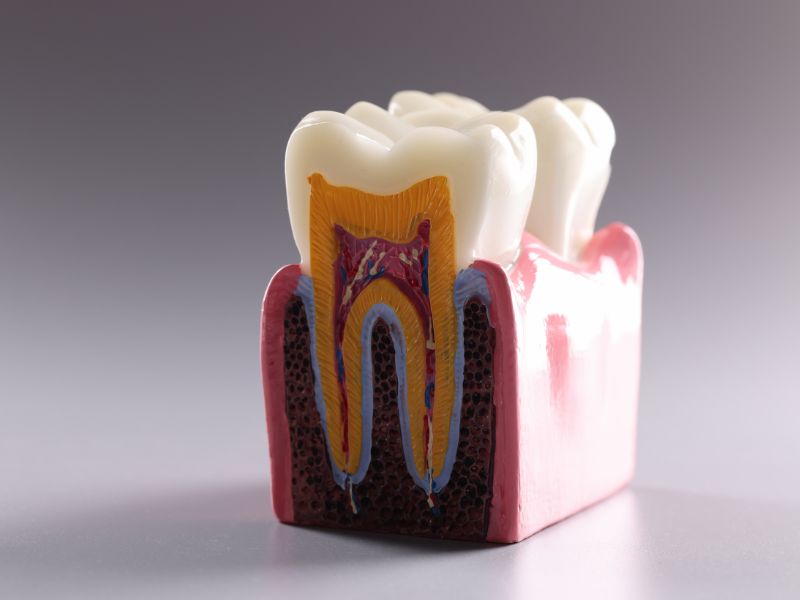
If your tooth pain doesn't go away or gets worse, it could mean something deeper is happening inside the tooth. Beneath the enamel and dentin lies the dental pulp — a living tissue network that nourishes the tooth. When this pulp becomes inflamed or infected, preserving the natural tooth structure becomes critical.
Root canal therapy is often misunderstood, but it is actually a safe and effective way to remove infection, relieve pain, and save the natural tooth from extraction. According to Smile Artistry Chino dentists, the goal is to eliminate the infection and seal the tooth so it can function normally for years.
How Infection Reaches the Core of the Tooth
- Deep decay that reaches the pulp
- Cracks or fractures that allow bacteria to enter
- Traumatic injury to the tooth
- Repeated dental procedures
Once bacteria reach the pulp, swelling occurs and pain can be severe. The infection can eventually spread to the surrounding bone. Symptoms such as chewing pain, gum swelling, and lingering sensitivity usually indicate the need for a root canal.
What the Treatment Really Means
The root canal procedure typically involves:
- Numbing the area for comfort
- Creating a small opening in the tooth
- Removing infected pulp tissue
- Cleaning and shaping the canal system
- Disinfecting the canals with solutions like sodium hypochlorite
- Filling the canals with gutta-percha
- Sealing the tooth and placing a crown for protection
Smile Artistry notes that modern crowns blend naturally with surrounding teeth and restore full function.
Why Preserving the Natural Tooth Still Matters
Keeping the original tooth is almost always the best option. Tooth extraction may seem simpler but can lead to:
- Shifting of nearby teeth
- Bone loss at the extraction site
- Need for expensive replacements like implants or bridges
A properly restored root canal–treated tooth looks and functions just like a natural tooth. Pain is relieved, the infection is gone, and the surrounding structures remain unaffected.
Things That Affect Success Over Time
Root canal treatment may not be successful if the tooth has:
- Severe structural damage
- Advanced periodontal disease
- Root fractures
- Complex anatomy that cannot be fully cleaned
Post-treatment care is essential. Regular cleanings, good oral hygiene, and protection against grinding help prolong the lifespan of the restored tooth.
A Safe Way to Keep Your Teeth Healthy
Root canal therapy follows the principle of conservative care—remove what is diseased and preserve what is healthy. When performed by a skilled clinician and followed by proper restoration, it is one of dentistry’s most reliable procedures.
Are You Thinking About Getting a Root Canal?
If you're experiencing ongoing pain or sensitivity, the best step is to see a dentist. Call (909) 627-6699 to schedule an appointment. Our team combines clinical excellence with compassionate care to ensure every patient receives the right treatment.
Blog Post Author

Contributed by DentalROI
DentalROI provides relevant dental content to help providers educate patients. The statements, services, and products referenced in this article have not been evaluated by the Food and Drug Administration, and they are not intended as a substitute for professional medical advice, diagnosis, or treatment. Always seek the advice of your dental provider with any questions or issues you may have. Specific recommendations may vary in different circumstances, so individual consultation is important.