What Is the Difference Between Porcelain and Composite Veneers?
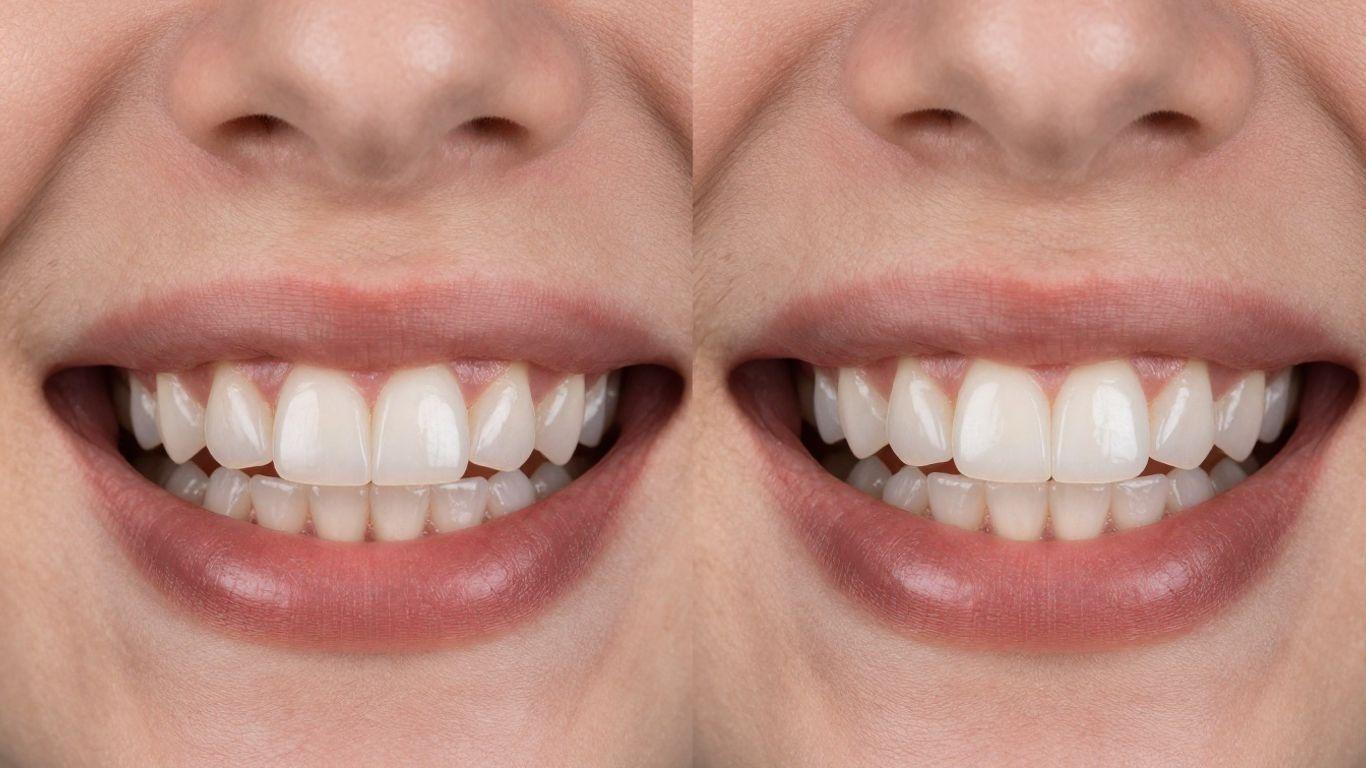
So, you're thinking about getting veneers, huh? Awesome! It's a great way to fix up your smile. But then you hear about porcelain and composite, and it gets a little confusing. What's the real difference between porcelain and composite veneers? Basically, it all comes down to what they're made of.
Porcelain veneers are crafted from a high-quality ceramic material. Think of it like a super-thin, custom-made shell that fits right over your tooth. Composite veneers, on the other hand, are made from a tooth-colored resin material. This stuff is basically a durable plastic that dentists can shape and mold directly onto your teeth.
Which type of veneer looks more natural on teeth?
This is a big one for a lot of people. When it comes to looking like your actual teeth, porcelain usually takes the cake. Porcelain has this cool translucent quality, kind of like natural tooth enamel, which lets light bounce off it in a way that looks super realistic. It can also be colored to match your teeth perfectly, or to get that bright white shade you're after. Composite can look really good too, don't get me wrong, but it can sometimes be a bit harder to get that same natural depth and luminosity that porcelain offers. It often needs a bit more polishing to get that tooth-like shine.
The main takeaway here is that while both can make your smile look amazing, porcelain often has a slight edge in mimicking the natural look and feel of real teeth due to its material properties.
Porcelain Veneers vs Composite Veneers — Full Comparison
So, you're thinking about veneers, huh? Awesome! It's a big decision, and knowing the nitty-gritty about porcelain versus composite is key. Let's break down the porcelain veneers vs composite veneers comparison to help you figure out which one is your smile's soulmate.
Which veneer type is better for your smile goals?
When you're looking at veneers, the main difference boils down to the material. Porcelain veneers are like the high-end, custom-tailored suits of the dental world. They're made from ceramic and are custom-made in a lab, meaning they get a really precise fit and look. Composite veneers, on the other hand, are made from a tooth-colored resin that's applied directly to your teeth by the dentist, kind of like a skilled artist sculpting on the spot. This means composite can often be done in a single visit, which is pretty sweet if you're in a hurry.
Here's a quick rundown of how they stack up:
- Porcelain Veneers:
- Super natural-looking, often mimicking the light-reflecting qualities of real enamel.
- Very strong and resistant to stains.
- Can fix more significant issues like dark stains or misshapen teeth.
- Requires at least two dental visits, sometimes more, and often involves removing a bit of tooth enamel.
- Composite Veneers:
- More budget-friendly upfront.
- Can usually be applied in just one dental visit.
- Less invasive, often requiring little to no removal of your natural tooth.
- Might not look quite as natural as porcelain and can be more prone to staining or chipping over time.
Choosing between porcelain and composite often comes down to what matters most to you: is it the absolute most natural look and longest lifespan, or is it a quicker, more affordable fix? Both can seriously upgrade your smile, but they get there a little differently.
Think about what you want your smile to do. If you're aiming for a dramatic transformation and want something that will last for ages and resist stains like a champ, porcelain might be your go-to. But if you're looking for a faster, more cost-effective way to fix minor imperfections and get a brighter smile, composite could be the winner. It really depends on your specific dental situation and what you're hoping to achieve.
Which Veneers Last Longer — Porcelain or Composite?
So, you're wondering which type of veneer is going to stick around longer on your teeth? It's a fair question, and the answer usually comes down to the material itself.
Porcelain veneers generally have the edge when it comes to longevity. Think of them as the marathon runners of the veneer world. Because porcelain is a super strong ceramic, these veneers can often last anywhere from 10 to 20 years, sometimes even longer if you take really good care of them. They're also pretty tough against stains, so they tend to keep their bright look for a good long while.
Composite veneers, on the other hand, are made from a tooth-colored resin. They're great for a quick smile makeover, but they typically don't last as long as porcelain. You're usually looking at a lifespan of about 5 to 10 years for composite veneers. They can be more prone to wear and tear over time, and might need a bit more attention to keep them looking their best.
How does daily wear and diet affect each veneer type?
Your everyday habits play a big role in how long your veneers will last. With both types, it's a good idea to be mindful of what you eat and drink. Things like coffee, red wine, and dark berries can stain, though porcelain is more resistant.
- Porcelain: While quite durable, avoid biting down on really hard things like ice or hard candies, as even porcelain can chip. Regular brushing and flossing are key, just like with your natural teeth.
- Composite: These can be more susceptible to staining from dark foods and drinks, so you might want to rinse your mouth or brush after consuming them. They can also wear down a bit faster with habits like teeth grinding or chewing on pens.
Ultimately, the lifespan of any veneer is a partnership between the material's strength and how well you maintain it. Good oral hygiene and smart lifestyle choices will help both porcelain and composite veneers look great for as long as possible.
Composite vs Porcelain Veneer Cost and Durability
When you're looking at getting veneers, the cost and how long they'll last are probably pretty high on your list of things to think about. It's a big decision, and you want to make sure you're getting the best bang for your buck, right? Let's break down the composite vs porcelain veneer cost and durability.
Cost Comparison
Generally speaking, composite veneers are the more budget-friendly option. Think of them as the "express lane" of smile makeovers. They're usually applied directly to your teeth in a single visit, meaning less chair time and no need for a separate dental lab to create them. This can put them in the range of $400 to $1,500 per tooth.
Porcelain veneers, on the other hand, come with a higher price tag. This is because they're custom-made in a dental lab, which involves more intricate work, multiple appointments, and higher-quality materials. You're typically looking at $900 to $2,500 per tooth for porcelain. So, while the initial investment is more, many people find the long-term benefits make it worthwhile.
Durability and Lifespan
This is where porcelain really shines. These veneers are made from a super strong ceramic material that's built to last. Porcelain veneers can often last 10 to 20 years, and sometimes even longer with good care. They're also highly resistant to staining, so your smile stays bright. Composite veneers are durable too, but they don't quite measure up to porcelain. They usually last about 5 to 7 years, though with diligent care, you might get up to 10 or 12 years out of them. They can also be more prone to staining over time.
Repairability
What happens if something goes wrong? With composite veneers, minor chips or cracks can often be fixed right there in the dentist's chair during a single appointment. It's a pretty straightforward process. If a porcelain veneer chips or breaks, it's a bit more involved. Usually, the damaged veneer needs to be completely replaced, which means another trip to the lab and a new fitting. So, while porcelain is tougher overall, repairs can be more time-consuming and costly if they're ever needed.
When weighing composite vs porcelain veneer cost and durability, it's important to consider your personal priorities. Are you looking for a more affordable, quicker fix, or are you willing to invest more upfront for a longer-lasting, more resilient solution? Your dentist can help you figure out which option best fits your lifestyle and budget.
Pros and Cons of Porcelain vs Composite Veneers — Final Verdict
So, you've made it to the end, and now it's time to really break down the pros and cons of porcelain versus composite veneers. It's not a simple 'one is better' situation, because what's best for you really depends on what you're looking for.
Ultimately, porcelain veneers tend to offer a more durable and natural-looking result, while composite veneers are a quicker and more budget-friendly option.
Let's look at the breakdown:
- Porcelain Veneers
- Composite Veneers
Here's a quick comparison table:
| Feature | Porcelain Veneers | Composite Veneers |
|---|---|---|
| Look | Most natural | Good, but less so |
| Durability | 10-20 years | 7-10 years |
| Cost | Higher upfront | Lower upfront |
| Time | 2+ visits | 1 visit |
| Invasiveness | More | Less |
When you're weighing your options, think about your budget, how long you want them to last, and what kind of look you're going for. If you want the absolute best, most natural look and don't mind the cost or the extra time, porcelain is probably your winner. But if you need a faster, cheaper fix and are okay with potentially needing touch-ups or replacements sooner, composite is a solid choice.
Conclusion
So, what's the big difference between porcelain and composite veneers? It really boils down to what you're looking for. Porcelain veneers are the superstars when it comes to looking super natural and lasting a long, long time. They're tough and resist stains like a champ. On the flip side, composite veneers are your go-to if you want a quicker, more affordable fix. They can be done in just one visit and are less expensive upfront. While they might not last quite as long or look as perfectly natural as porcelain, they're still a fantastic way to brighten up your smile. The best move? Chat with your dentist. They can help you figure out which type will make your smile dreams come true based on your budget and what's most important to you.
Frequently Asked Questions
Which type of veneer looks more natural on teeth?
Porcelain veneers usually win the natural-looking contest. They have a special shine and can be colored to perfectly match your real teeth. Composite veneers look good too, but porcelain really mimics the way light bounces off natural tooth enamel.
Which veneer type is better for your smile goals?
It depends! If you want the most lifelike appearance and a super durable smile makeover, porcelain is probably your best bet. If you're looking for a faster, more budget-friendly way to fix minor issues or just want a brighter smile quickly, composite might be the way to go.
Which veneers last longer — Porcelain or Composite?
Porcelain veneers are generally the long-haul champions. They can last anywhere from 10 to 20 years with good care. Composite veneers typically last about 7 to 10 years, so they don't stick around quite as long.
How does daily wear and diet affect each veneer type?
Porcelain is pretty tough and resists stains well. Composite veneers are a bit more porous, meaning they can stain more easily. So, if you choose composites, you might want to be mindful of things like coffee, red wine, or dark berries.
Is the higher cost of porcelain veneers worth it long term?
For many people, yes! While porcelain veneers cost more upfront, their longer lifespan and resistance to staining can make them a better value over time. You won't have to replace them as often, and they tend to look great for years.
Can veneers be repaired if they get damaged?
Yes, but it's different for each type. If a composite veneer chips, your dentist can often fix it right there in the office. If a porcelain veneer breaks, it usually needs to be completely replaced, which takes more time and money.
Blog Post Author

Contributed by DentalROI
DentalROI provides relevant dental content to help providers educate patients. The statements, services, and products referenced in this article have not been evaluated by the Food and Drug Administration, and they are not intended as a substitute for professional medical advice, diagnosis, or treatment. Always seek the advice of your dental provider with any questions or issues you may have. Specific recommendations may vary in different circumstances, so individual consultation is important.