Step-by-Step Process for Getting a Full Mouth Restorations
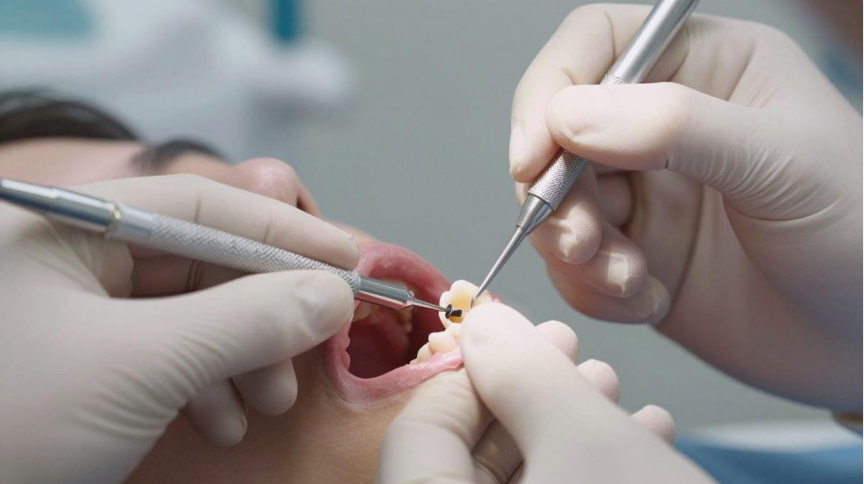
Getting a full mouth restoration can seem like a big undertaking, but it's really about getting your smile back to its best. Whether your teeth are worn down, damaged, or missing, this process aims to fix everything. It's a way to rebuild your bite, improve how you chew and speak, and give you back a smile you can be proud of. Think of it as a complete refresh for your mouth, designed just for you.
Key Takeaways
- Full mouth dental restoration specialists work together to create a custom plan for your unique needs, starting with a thorough evaluation of your oral health.
- The full mouth smile restoration procedure involves several stages, from initial health stabilization to the final placement of new restorations, ensuring a healthy and functional bite.
- Understanding what is full mouth smile restoration means recognizing it as a complete overhaul to fix extensive dental issues, not just a cosmetic fix.
- How long does full mouth restoration take can vary, often spanning several weeks to a few months due to the complexity and number of appointments needed.
- The benefits of full mouth smile restoration include improved chewing and speaking, boosted confidence, better overall oral health, and a long-lasting, functional smile.
Comprehensive Consultation and Evaluation
Getting started with a full mouth restoration begins with a thorough look at what’s going on in your mouth. This isn't just a quick check; it's a deep dive into your current oral health, your history, and what you hope to achieve. The dentist will want to know about your general health too, any medications you're taking, and any past dental work that might be relevant. They'll also ask about your goals – what bothers you about your smile now, and what would you like to change? Are you looking for better function, a more attractive appearance, or relief from pain?
This initial meeting is also where the diagnostic work really kicks in. Think of it as gathering all the clues. This usually involves:
- A detailed visual inspection of your teeth, gums, and the surrounding tissues.
- Taking X-rays to see what’s happening below the surface, like bone levels and tooth roots.
- Sometimes, 3D imaging is used for a more detailed look at things like your jaw joints and sinuses.
- Creating impressions or digital scans of your teeth to get precise models. This helps understand how your teeth fit together.
This detailed evaluation is the bedrock upon which your entire treatment plan will be built. It helps the dental team understand the full picture, identify any underlying issues that might not be obvious, and start thinking about the best path forward for you.
It's important for patients to feel comfortable asking questions during this phase. Understanding the initial findings and the potential reasons behind them sets the stage for a collaborative approach to treatment planning.
Personalized Treatment Planning
After the initial evaluation, the next big step is figuring out exactly what needs to be done to get your smile back in shape. This isn't a one-size-fits-all situation; it's all about creating a plan that's just for you. Think of it like building a custom roadmap for your dental health.
Your dentist will take all the information gathered – like X-rays, 3D scans, and impressions of your teeth – and use it to map out the entire restoration process. They'll look at how your teeth fit together, the health of your gums, and what you're hoping to achieve, both functionally and aesthetically. This detailed plan is the blueprint for your entire treatment.
Here’s what typically goes into this planning phase:
- Addressing Immediate Issues: This might involve treating gum disease or decay to get your mouth healthy before any major work begins.
- Structural Repairs: Planning for things like root canals if needed, or preparing for implants if teeth are missing.
- Alignment and Cosmetics: Considering how to improve the look and feel of your smile, which could include things like veneers or whitening.
- Bite Correction: Making sure your upper and lower teeth meet properly, which is key for long-term comfort and function.
The goal here is to create a clear picture of the treatments required, the order in which they'll happen, and roughly how long it might take. It’s also where you’ll get an idea of the costs involved and discuss payment options. This phase is all about making sure you understand every step before any treatment starts.
Stabilizing Oral Health
Before the main rebuilding phase of a full mouth smile restoration procedure begins, it's really important to get your mouth as healthy as possible. This step is all about tackling any existing issues like gum disease, decay, or infections. Think of it as clearing the ground before building a new house. Dentists will address any active decay with fillings and perform root canals if needed for infected teeth. Any teeth that can't be saved will be removed. Deep cleaning is often part of this stage to treat gum problems. Sometimes, temporary crowns or bridges are placed to manage urgent situations. Getting your oral health in top shape now is key to the long-term success of your new smile. This preparation helps prevent complications down the road and makes sure the final restorations have a solid foundation to work with. It's a vital part of what makes a full mouth dental restoration specialists' work so effective.
Addressing underlying dental problems now prevents them from interfering with the restorative process and helps ensure the longevity of the final results. It's about creating a healthy environment for your new teeth.
Here's what typically happens during this phase:
- Treating active tooth decay with fillings.
- Performing root canals on infected teeth.
- Extracting teeth that are beyond repair.
- Deep cleaning procedures to manage gum disease.
- Placing temporary restorations where necessary.
This phase is crucial for anyone considering what is full mouth smile restoration, as it sets the stage for all the work that follows. It's not just about aesthetics; it's about rebuilding a healthy, functional mouth, which is one of the main benefits of full mouth smile restoration.
Rebuilding the Foundation (Structural Restoration Phase)
At this point in a full-mouth rehabilitation, much of the groundwork has already been done. The mouth has been evaluated, a plan tailored, and any active infection or gum disease stabilized. Now comes the phase where the very structure of the smile gets rebuilt. Restoring the foundation means making sure teeth, bone, and gums are strong enough to support long-lasting results. This usually involves several types of treatments, chosen depending on what each person needs.
Some common structural steps include:
- Removing teeth that are too damaged to save, so the mouth can heal properly
- Grafting bone into areas where it's become thin or weak (for example after years of missing teeth)
- Treating any remaining gum problems that could threaten new work
- Correcting bite problems by gently shifting teeth with orthodontics, if required
And when the foundation is ready, the dentist moves to restoring teeth themselves using things like crowns, bridges, or implants. Implants often get placed first because they need time for the bone to anchor them in—a process called osseointegration, which can take several months, but pays off in stability. Sometimes, temporary crowns or bridges are fitted so that eating and speaking stay comfortable while everything heals.
Designing and Placing Final Restorations
Once the provisional restorations have been perfected and you're happy with how they look and feel, the next step is creating the permanent ones. This is where all the planning and temporary work really pay off. The information gathered from the provisional phase, including bite records and aesthetic guides, is sent to the dental laboratory. Here, skilled ceramists use this data to craft your final crowns, veneers, or other restorations. They pay close attention to the shape, size, color, and how each tooth will interact with others during chewing and speaking.
The goal is to create restorations that are not only beautiful but also perfectly functional and comfortable.
This process involves several key elements:
- Material Selection: Based on your specific needs and the dentist's recommendation, materials like porcelain fused to metal or zirconia are chosen for their durability and appearance.
- Fabrication: The laboratory meticulously crafts each restoration, often using advanced technology alongside artistic skill to match your natural teeth.
- Try-in and Evaluation: Before permanently cementing them, the final restorations are tried in your mouth. This is a critical appointment where the dentist checks for proper fit, bite alignment (occlusion), and aesthetics. Minor adjustments can be made at this stage if needed.
- Final Placement: Once everything is approved, the restorations are permanently bonded or cemented into place. This marks the completion of the restorative phase.
It's natural to wonder, "how long does full mouth restoration take?" While the entire process can span several months, this final placement stage is typically completed over one or two appointments, depending on the complexity.
The precision achieved during the provisional phase significantly minimizes the need for adjustments with the final restorations, leading to a more predictable and satisfying outcome for the patient.
After the final restorations are in place, a thorough check of your bite is performed, often using specialized equipment to ensure everything is balanced. This meticulous approach helps guarantee the longevity and success of your new smile.
Conclusion
Getting a full mouth restoration is a big step, but it can make a huge difference in your daily life. The process takes time and patience, with several appointments and a lot of teamwork between you and your dental team. Each phase, from the first exam to the final fitting, is important for making sure your new smile looks good and works well. It’s normal to feel a bit nervous or overwhelmed at first, but your dentist will guide you through each step and answer your questions along the way. After everything is done, regular check-ups and good home care will help keep your mouth healthy and your restorations in good shape. In the end, many people find that the effort is worth it—they can eat, speak, and smile with confidence again. If you’re thinking about full mouth restoration, talk to your dentist about your options and what to expect. It’s a journey, but it can lead to a healthier, happier you. Contact Smile Artistry Chino today to learn more about full mouth restoration and take the first step toward a complete smile transformation.
Frequently Asked Questions
- What is a full mouth restoration? A full mouth restoration is a dental process that fixes or replaces all the teeth in the upper and lower jaws. It helps people who have many dental problems, like missing, broken, or decayed teeth, to get back a healthy, working smile.
- How long does a full mouth restoration take? The time needed for a full mouth restoration depends on your specific needs. Usually, it takes a few months because there are several steps and healing times between procedures. Some treatments, like dental implants, need more time to heal before the next step can happen.
- Is a full mouth restoration painful? Dentists use numbing medicine and sometimes sedation to make sure patients are comfortable during procedures. Some soreness after treatment is normal, but it can be managed with pain medicine and by following your dentist’s instructions.
- How do I care for my mouth after a full restoration? You should brush and floss every day, avoid hard or sticky foods, and visit your dentist regularly for check-ups and cleanings. Following your dentist’s advice will help your new teeth last a long time.
- Will my new teeth look and feel natural? Yes, dentists use modern materials and techniques to make sure your new teeth look real and feel comfortable. They are designed to match the shape and color of your natural teeth, so your smile looks natural.
- Can anyone get a full mouth restoration? Most people can get a full mouth restoration, but your dentist will check your mouth and health first to make sure it’s right for you. Some people may need to treat gum disease or other issues before starting the process.
Blog Post Author

Contributed by DentalROI
DentalROI provides relevant dental content to help providers educate patients. The statements, services, and products referenced in this article have not been evaluated by the Food and Drug Administration, and they are not intended as a substitute for professional medical advice, diagnosis, or treatment. Always seek the advice of your dental provider with any questions or issues you may have. Specific recommendations may vary in different circumstances, so individual consultation is important.