Porcelain Crown Cost: What Affects the Price
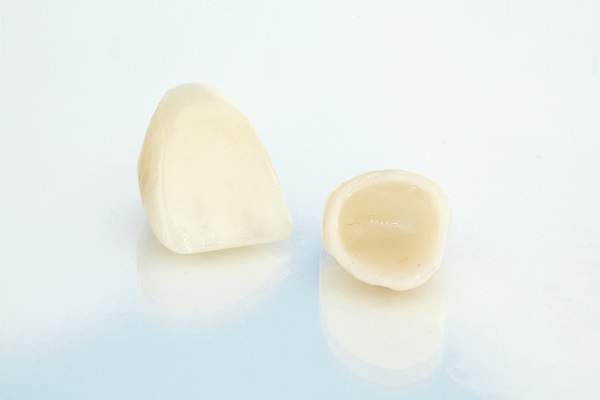
Porcelain crown cost varies more than most patients expect, since the material used, the location of the tooth, and any lab work involved all play a role in the final price. Rather than a single flat number, crown pricing reflects a combination of factors specific to your tooth and treatment plan. At Smile Artistry Chino Valley, Dr. Vijaya Cherukuri walks patients through what actually drives the cost of a dental crown before treatment begins.
What Are Dental Crowns Made Of?
Crowns can be made from all-metal, ceramic-fused-to-metal, or all-ceramic (porcelain) materials, and the choice affects both appearance and cost. All-ceramic, or porcelain, crowns are generally preferred for front teeth since they most closely mimic the translucency and color of a natural tooth. Ceramic-fused-to-metal crowns combine a natural look with the added strength of a metal substructure, which can make them a good fit for back teeth that handle more chewing force.
According to the American College of Prosthodontists, crowns are indicated for teeth with very large fillings, teeth that have had a root canal, fractured teeth, teeth worn down from grinding, and misshapen or discolored teeth, and the best material for your specific situation is something a prosthodontist or dentist determines based on your individual case.
What Affects Porcelain Crown Cost?
| Factor | How It Affects Cost |
|---|---|
| Material | All-ceramic crowns often cost more than metal or ceramic-on-metal options |
| Tooth location | Front teeth may require more precise, higher-cost esthetic matching |
| Lab fabrication | Custom milling and lab work add to the overall cost |
| Additional procedures | A root canal or buildup before the crown adds to total treatment cost |
| Insurance coverage | Some plans cover a portion of crown cost when medically necessary |
Because so many variables are involved, the only reliable way to know your specific porcelain crown cost is through an in-person evaluation, where your dentist can assess the tooth and recommend the right material and approach.
Porcelain Crown Cost with Insurance
Many dental insurance plans provide at least partial coverage for crowns when they are medically necessary, such as restoring a tooth after a root canal or repairing significant decay or fracture. Coverage details vary widely between plans, so it is worth confirming your specific benefits before scheduling treatment. Purely cosmetic crown placement, done solely to improve appearance rather than to restore function, is less likely to be covered.
Why Whitening Before a Crown Matters for Cost and Results
One detail that surprises many patients is that porcelain crowns are both stain and bleach resistant, meaning the crown's color is essentially fixed once it is made. If your natural teeth are whitened after a crown is placed, the crown will not lighten along with them, potentially leaving a visible mismatch. Our team generally recommends completing teeth whitening before a cosmetic crown is fabricated, so the crown can be color-matched to your newly whitened smile rather than to teeth that will later change shade.
The Process and What to Expect
Getting a crown typically starts with preparing the tooth, which involves removing a portion of the enamel to make room for the crown, followed by an impression or digital scan used to fabricate your custom crown in a dental lab. A temporary crown is placed while you wait, usually for about two weeks, and care should be taken with eating and brushing since temporaries are designed to come off easily. Once your permanent crown is ready, our team removes the temporary and bonds the new crown securely in place.
Mild sensitivity after tooth preparation is normal and typically resolves within a few days as you adjust to the new crown.
Is a Crown the Right Choice for You?
Depending on your specific tooth and goals, a more conservative option such as a veneer, inlay, or onlay might be recommended instead of a full crown. A thorough evaluation helps determine whether your tooth truly needs the full coverage a crown provides or whether a less invasive restoration would serve just as well.
If you have questions about crown cost, materials, or whether a crown is the right fit for your tooth, contact our Chino office to schedule a consultation.
Conclusion
Porcelain crown cost depends on material, tooth location, lab work, and whether additional procedures are needed, which means an accurate estimate can only come from an in-person evaluation. Timing matters too, since whitening before a cosmetic crown helps ensure a better long-term color match.
Frequently Asked Questions
Why do porcelain crowns cost more than metal crowns?
Porcelain, or all-ceramic, crowns are generally chosen for their natural appearance, particularly on front teeth, and this esthetic quality along with lab fabrication can contribute to a higher cost than all-metal options.
Does dental insurance cover porcelain crowns?
Many plans cover crowns that are medically necessary, such as after a root canal or significant decay, though coverage varies and purely cosmetic crowns are less likely to be included.
Should I whiten my teeth before or after getting a crown?
Whitening before a cosmetic crown is generally recommended, since crowns are stain and bleach resistant and will not lighten along with your natural teeth afterward.
How long does a temporary crown last before the permanent one is placed?
Patients typically wear a temporary crown for around two weeks while the permanent crown is custom-made in a dental lab.
Is a crown always the right choice for a damaged tooth?
Not always. Depending on the tooth, a more conservative option like a veneer, inlay, or onlay may be appropriate instead. An evaluation helps determine the best fit.
About the Author
Smile Artistry Chino Valley is located at 12850 10th St, Suite B2, Chino, CA 91710, and has served the Chino community since 1988. The practice is led by Dr. Vijaya Cherukuri, who earned her dental degree from Osmania University and completed extensive further training at UCLA. Dr. Cherukuri and her team provide comprehensive restorative and cosmetic dental care, including crowns, bridges, veneers, and teeth whitening.
Medical Disclaimer
The information provided in this article is for educational purposes only and does not constitute professional dental advice, diagnosis, or treatment. The appropriate restoration and its cost can only be determined through an in-person dental evaluation. Always seek the advice of your dentist or other qualified health provider with any questions regarding dental crowns or restorative treatment. Never disregard professional advice or delay in seeking it because of something you have read here.
Blog Post Author

Contributed by DentalROI
DentalROI provides relevant dental content to help providers educate patients. The statements, services, and products referenced in this article have not been evaluated by the Food and Drug Administration, and they are not intended as a substitute for professional medical advice, diagnosis, or treatment. Always seek the advice of your dental provider with any questions or issues you may have. Specific recommendations may vary in different circumstances, so individual consultation is important.