How to Whiten Teeth Naturally at Home (vs. Professional Whitening)
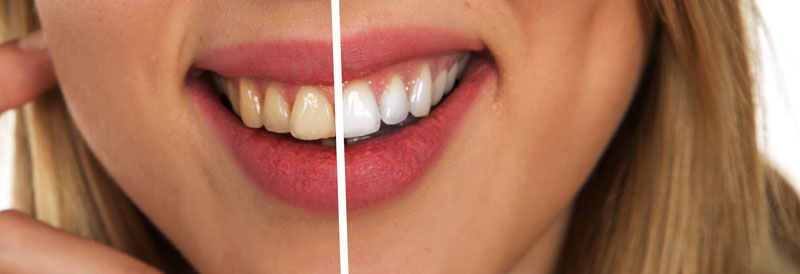
Natural teeth whitening remedies like baking soda, activated charcoal, and oil pulling show up constantly online, promising a brighter smile without a dental visit. Some of these methods have a little science behind them, while others carry real risk to your enamel. At Smile Artistry Chino Valley, Dr. Vijaya Cherukuri helps patients understand which natural approaches are worth trying and when professional teeth whitening is the safer, more effective choice.
Popular Natural Teeth Whitening Remedies
Baking soda is one of the most common home remedies, used either on its own or mixed into a paste. It has mild abrasive properties that can help polish away some surface stains, though it does not change the underlying color of the tooth the way a true bleaching agent does. Activated charcoal has become popular in whitening toothpastes and powders, but there is limited scientific evidence that it safely whitens teeth, and its abrasiveness can wear down enamel with frequent use.
Oil pulling, swishing coconut or sesame oil in the mouth for several minutes, is sometimes promoted as a whitening method, though there is little research supporting a meaningful whitening effect. Eating crunchy fruits and vegetables like apples and celery can help clear away surface debris while you chew, but this is more of a supportive habit than an actual whitening treatment.
Natural Remedies vs. Professional Whitening
| Method | Effect on Stains | Considerations |
|---|---|---|
| Baking soda | Mild polishing of surface stains | Does not bleach; can be abrasive if overused |
| Activated charcoal | Little proven whitening effect | Abrasive; may wear enamel over time |
| Oil pulling | Minimal to no proven whitening effect | Not a substitute for brushing or bleaching |
| Whitening toothpaste | Removes surface stains only | Does not change the tooth's underlying color |
| Professional whitening | Noticeably brightens tooth color | Performed or supervised by a dentist for safety |
According to MouthHealthy, the American Dental Association's consumer resource, whitening toothpastes only remove surface stains and do not contain bleach, so they cannot lighten the natural color of a tooth the way an in-office or dentist-provided at-home bleaching treatment can.
Why Natural Methods Have Limits
Most natural remedies work, if at all, by gently removing surface stains rather than by bleaching the tooth itself. This means they can offer a modest improvement in appearance for teeth with light surface staining from coffee, tea, or food, but they generally cannot lighten the natural, underlying shade of your teeth. Overusing abrasive remedies like baking soda or charcoal can also wear down enamel over time, which can actually make teeth look more yellow, since thinner enamel reveals more of the darker dentin layer underneath.
When Professional Whitening Makes More Sense
If you are looking for a noticeable, reliable change in tooth color, professional whitening performed or supervised by a dentist is generally the more predictable option. Our Zoom teeth whitening treatment uses a professional-strength bleaching agent under controlled conditions, which is simply not achievable with kitchen-cabinet ingredients.
Professional treatment also allows your dentist to evaluate your teeth beforehand, checking for cavities, gum recession, or existing restorations like crowns or veneers that will not respond to whitening the same way natural teeth do.
Combining Natural Habits with Professional Care
Good daily habits, like brushing thoroughly, limiting staining foods and drinks, and keeping up with regular dental cleanings, can help maintain your results after a professional whitening treatment and slow the return of surface stains. Natural remedies can play a supportive role in your routine, but they work best alongside professional care rather than as a replacement for it.
If you are unhappy with the color of your teeth and want to know what's realistic for your specific situation, a conversation with our team is the best starting point. You can also explore our broader smile makeover options if whitening is just one part of what you would like to change.
Conclusion
Natural remedies like baking soda, charcoal, and oil pulling offer, at best, a modest improvement to surface stains and carry some risk of enamel wear with overuse. Professional whitening remains the more predictable and effective way to noticeably brighten your smile, especially when supervised by a dentist who can evaluate your teeth first.
Frequently Asked Questions
Does baking soda actually whiten teeth?
Baking soda can help polish away some surface stains due to its mild abrasiveness, but it does not bleach or change the underlying color of the tooth.
Is activated charcoal safe for whitening teeth?
There is limited scientific evidence that charcoal safely whitens teeth, and its abrasive texture can wear down enamel if used frequently.
Can oil pulling whiten my teeth?
There is little research supporting a meaningful whitening effect from oil pulling, though it is generally considered a low-risk habit.
Why doesn't whitening toothpaste work as well as professional whitening?
Whitening toothpastes remove surface stains but do not contain a bleaching agent, so they cannot change the natural color of the tooth the way professional whitening can.
Is professional whitening safe?
Yes, when performed or supervised by a dentist. Your dentist can evaluate your teeth first to make sure whitening is appropriate for your specific situation.
About the Author
Smile Artistry Chino Valley is located at 12850 10th St, Suite B2, Chino, CA 91710, and has served the Chino community since 1988. The practice is led by Dr. Vijaya Cherukuri, who earned her dental degree from Osmania University and completed extensive further training at UCLA. Dr. Cherukuri and her team provide comprehensive family and cosmetic dental care, including teeth whitening, veneers, implants, and smile makeovers.
Medical Disclaimer
The information provided in this article is for educational purposes only and does not constitute professional dental advice, diagnosis, or treatment. The safety and effectiveness of any whitening method for your teeth can only be determined through an in-person dental evaluation. Always seek the advice of your dentist or other qualified health provider with any questions regarding teeth whitening. Never disregard professional advice or delay in seeking it because of something you have read here.
Blog Post Author

Contributed by DentalROI
DentalROI provides relevant dental content to help providers educate patients. The statements, services, and products referenced in this article have not been evaluated by the Food and Drug Administration, and they are not intended as a substitute for professional medical advice, diagnosis, or treatment. Always seek the advice of your dental provider with any questions or issues you may have. Specific recommendations may vary in different circumstances, so individual consultation is important.