How Long Does It Take to Get a Dental Crown?
The Typical Dental Crown Timeline
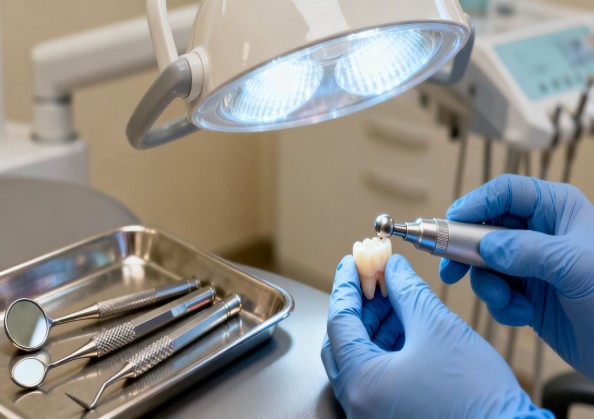
If you are wondering how long it takes to get a dental crown, the usual answer is anywhere from one appointment to a few weeks. A traditional crown generally involves a preparation visit, time for a dental laboratory to make the restoration, and a second visit for placement. The exact schedule depends on the tooth, the type of crown, and whether other treatment is needed first.
The first crown appointment often takes roughly one to two hours, although some cases take less or more time. Your dentist examines the tooth, numbs the area, removes damaged tissue, reshapes the tooth, and records its size and position.
A traditional crown is commonly completed over two appointments because the permanent restoration is made away from the dental chair: during the first visit, the tooth is prepared and a temporary crown protects it while the laboratory creates the final one, and at the second visit the dentist checks the restoration and bonds it in place.
How Long the Dental Laboratory Takes to Make a Crown
Laboratory turnaround varies, but a traditional crown often takes about two to three weeks from the first appointment to the placement visit. The timing can be shorter or longer depending on the laboratory's workload, the material selected, and the dental office schedule. The laboratory period may include designing the restoration, shaping it from the selected material, and checking its color and contours, and a crown that needs especially careful shade matching may require more coordination before it is ready.
The final crown is placed once the laboratory has returned it and your dentist has an appointment available. At that visit, the temporary crown is removed, and the permanent one is tried in to assess its contacts, appearance, and bite. A dentist may make small adjustments before final placement rather than rushing the process, which helps the crown feel natural and reduces the chance that a high spot will bother you when you close or chew.
What Happens During the Crown Procedure
A crown procedure is a series of small steps rather than one single event. Your dentist examines the tooth and surrounding gums and may take dental X-rays or other images when appropriate to understand how much healthy tooth remains and whether infection or a crack must be addressed first. After the area is numb, the dentist removes decay or weakened tooth structure and reshapes the remaining tooth so the crown can fit over it without making the tooth too bulky, creating a stable shape for the crown to grip.
Once the tooth is prepared, the dentist records its shape and its relationship to the neighboring and opposing teeth, either with a traditional impression material or a digital scan, and may also record the color of nearby teeth when appearance matters — this level of care is part of the restorative dentistry process at our office. A temporary crown is then placed to cover and protect the prepared tooth while you wait for the laboratory-made permanent crown; it is designed for short-term use and may not feel exactly like the final restoration. At the placement appointment, the dentist removes the temporary crown, cleans the tooth, and tries in the permanent crown to inspect its fit, contacts, color, and bite before it is cemented or bonded into position.
How Same-Day Crowns Compare
A same-day crown changes the schedule by keeping more of the process in the dental office. Instead of sending impressions to an outside laboratory and waiting for a return appointment, the dentist may use digital design and milling equipment during one visit, which can reduce the number of appointments, though it does not make every case suitable for same-day treatment.
The appointment itself can still take several hours because examination, preparation, scanning, design, fabrication, fitting, and placement all happen in sequence.
For a same-day crown, the dentist prepares the tooth and captures a digital scan, and the crown is then designed with computer software and produced using equipment in the office before being checked and placed if the fit and bite are satisfactory.
A same-day crown may suit someone who values completing treatment in one visit or who finds it difficult to return for a second appointment, but your dentist may recommend a traditional laboratory-made crown instead when the case calls for a particular design or material. Same-day treatment is not appropriate for every tooth — a tooth that needs a root canal or gum treatment first, or one that would benefit from specialized laboratory work, is usually better suited to the traditional approach.
Factors That Can Make Treatment Take Longer
The basic crown timeline is only an estimate. Extensive decay, a crack, insufficient tooth structure, or irritated gums can complicate crown treatment, and your dentist may need to stabilize the tooth or improve the gum condition before taking final impressions or scans. If the pulp inside the tooth is infected or badly inflamed, a root canal may be recommended before the crown is completed, which adds another procedure and may require a separate appointment.
Different crown materials have different design, fabrication, and appearance considerations, and the material can affect whether the crown is made in the office or sent to a laboratory. Our doctor, Dr. Cherukuri, can walk you through which material best suits your tooth and budget. Even when the tooth preparation goes smoothly, the laboratory and the office calendar influence the total time, since a busy laboratory, a holiday closure, or limited appointment availability can extend the interval between visits. Before leaving the first appointment, confirm when the office expects the crown to arrive and when your placement visit is scheduled.
What to Expect Between Crown Appointments
The temporary crown is there to protect the prepared tooth while you wait, and it is generally intended to remain in place until the permanent crown is ready, often for a couple of weeks. Once the anesthetic wears off, you can usually eat, but softer foods may feel more comfortable at first, and it helps to avoid biting very hard or sticky foods directly on the temporary crown. Brush gently around it and, when flossing, slide the floss out through the side instead of snapping it upward, which can pull on the temporary crown.
If the temporary crown loosens or falls out, avoid chewing on that side and call your dentist; keep the crown in a clean container and bring it with you if the office asks you to come in, and do not force it back into place or use household glue. Our team at Smile Artistry Chino Valley can re-cement or replace a temporary crown as needed, so prompt contact helps protect the prepared tooth and keeps the treatment schedule on track.
Recovery and Getting Used to the Crown
It is common for a newly crowned tooth to feel unfamiliar for a short time. The gum may be tender from the procedure, and the tooth can be sensitive to temperature or pressure; mild gum soreness or sensitivity can last for several days after crown placement, and some teeth remain sensitive to hot or cold for longer, particularly when the preparation was deep. The trend should be toward improvement rather than increasing discomfort, so contact the dental office if pain is severe, lingers without improvement, or wakes you repeatedly.
You can usually begin chewing once the numbness has worn off and your dentist has given you permission to do so. Start with comfortable foods and pay attention to how the crown feels; if the bite feels even and there is no significant tenderness, most people gradually return to their usual diet. A crown may need adjustment if one tooth hits first when you close, chewing causes sharp discomfort, or floss repeatedly catches near the restoration — do not try to file or alter the crown yourself, even if the unevenness seems minor.
When to Contact Your Dentist After Placement
Contact your dentist if the crown becomes loose, cracks, falls out, or causes ongoing pain. You should also call if sensitivity is worsening, the gums are increasingly swollen, or your bite remains uncomfortable after you have had time to adjust. According to the American Dental Association, a crown can help strengthen a tooth with a large filling, protect a weak tooth from breaking, or restore one that's already broken, so a dental professional can decide whether ongoing symptoms need an examination or a simple adjustment. To schedule your own crown consultation, visit our Contact Us page.
Conclusion
A traditional dental crown often takes two appointments spread over a few weeks, while a same-day crown may be completed in one longer visit. The condition of the tooth, the chosen material, laboratory timing, and any needed treatment can all change that estimate. Your dentist can give you the most accurate timeline after examining the tooth and outlining the steps involved.
Frequently Asked Questions
How long does a traditional dental crown take?
A traditional crown commonly takes two visits over roughly two to three weeks, though the timeline varies with the tooth, material, laboratory, and appointment availability.
Can a dental crown be completed in one day?
Some dental offices can design and make certain crowns during one appointment. The visit may last several hours, and not every tooth or treatment plan is suitable for this approach.
How long does the first crown appointment take?
The first visit often lasts about one to two hours. It may take longer if the tooth needs extensive preparation or additional treatment.
How long do I wear a temporary crown?
Most temporary crowns stay in place until the permanent crown is ready, often for a couple of weeks. Your dentist will provide the schedule for your specific case.
Can I eat normally with a temporary crown?
You can usually eat after the numbness has worn off, but avoid very sticky or hard foods and try to chew on the opposite side when possible.
Is it normal for a crown to be sensitive?
Mild sensitivity or gum soreness can occur for several days after placement. Contact your dentist if symptoms worsen, persist without improvement, or interfere with eating and sleeping.
What should I do if my temporary crown falls out?
Call your dentist, keep the crown clean, and avoid chewing on that side. Do not use household glue or force the crown back into place unless the dental office gives you specific instructions.
About the Author
Smile Artistry Chino Valley provides general and cosmetic dentistry to patients throughout Chino, Pomona, Ontario, Montclair, and Eastvale, California. The practice is led by Dr. Vijaya Cherukuri, who focuses on gentle, patient-centered care including restorative dentistry, dental crowns, and smile makeovers.
Disclaimer
The information provided in this article is for educational purposes only and does not constitute professional medical or dental advice, diagnosis, or treatment recommendations. Whether a dental crown is right for you can only be determined through an in-person evaluation. Always consult your dentist with any questions regarding your treatment.
Blog Post Author

Contributed by DentalROI
DentalROI provides relevant dental content to help providers educate patients. The statements, services, and products referenced in this article have not been evaluated by the Food and Drug Administration, and they are not intended as a substitute for professional medical advice, diagnosis, or treatment. Always seek the advice of your dental provider with any questions or issues you may have. Specific recommendations may vary in different circumstances, so individual consultation is important.