How Long Do Dental Crowns Last? (And Signs Yours Needs Replacing)
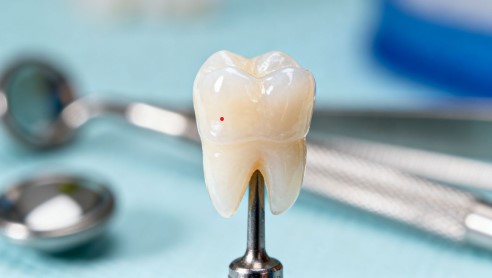
When your dentist recommends a crown, they are essentially prescribing a protective cap that gives your tooth a second chance at full function. It is a common restoration that keeps a damaged tooth working and your smile complete. Most patients ask how long a dental crown lasts, and the honest answer is that it depends on how well the tooth underneath is supported and cared for over the years. With attention to your dental health, you can often extend the life of your restoration well beyond its first few years. At Smile Artistry Chino Valley, we help patients get the most out of every crown.
What's the Average Porcelain Crown Durability?
Durability in a porcelain crown is largely shaped by the quality of the fabrication and the daily physical stress the crown encounters. Several factors influence longevity, including the specific material chosen and how precisely the crown fits against your natural gum line. A few simple habits go a long way:
- Regular brushing with a non-abrasive toothpaste
- Daily flossing to remove debris from the margins
- Avoiding hard foods like ice or popcorn kernels
- Routine professional cleanings and exams
Beyond the basics, the skill behind your dental crown matters. When a crown is shaped to mimic your natural tooth anatomy, it settles into your bite in a way that minimizes wear on the opposing teeth.
Signs Your Crown Needs to Be Replaced
It is easy to forget about a crown once it has settled in, but subtle changes can signal that it is nearing the end of its functional life. You might notice slight sensitivity if the margin where the crown meets the tooth begins to shift, or find that the area traps food more often than it used to. Keeping an eye on these changes lets you act early rather than face an emergency repair later.
How to Make a Dental Crown Last Longer
A consistent care routine is the best way to delay a replacement, and your daily habits are the most important factor. Minimizing the pressure placed on the porcelain keeps tiny micro-fractures from growing into structural failures. The breakdown below shows how different activities affect the lifespan of your crown.
| Action | Impact on Crown | Recommendation |
|---|---|---|
| Clenching teeth | High stress | Use a night guard |
| Chewing ice | Extreme load | Avoid entirely |
| Flossing | Maintenance | Do it daily |
A custom night guard can give your crown real relief if you often wake up with a sore jaw. It lets your jaw muscles relax and keeps your crown from absorbing repetitive, subconscious grinding forces during sleep.
What Affects Your Specific Crown's Lifespan?
Your crown takes on significant force every time you bite, which makes the health of the tooth underneath a crucial variable. If that tooth develops new decay, the bond will weaken and eventually call for a new restoration or even root canal treatment if the decay reaches the nerve. Likewise, if your gums recede, the edge of the crown can become exposed, changing both the look and the feel of the tooth.
What Happens When a Crown Fails or Falls Off
When the bond between your tooth and the crown breaks, the crown usually just comes loose or falls off. It is rarely painful, but the exposed tooth underneath can be very sensitive to hot and cold because it has lost its protective layer. Save the crown if you can, since a dentist may be able to re-cement it if the tooth structure has stayed sound.
How to Care for Your Crown Long-Term
Long-term crown care comes down to the same principles that keep your natural teeth healthy. Treating your crown as a permanent feature of your mouth means paying attention to the areas that often get neglected, especially the gum-line margin. Regular visits ensure that small issues are caught long before they become failures that send you back to square one.
When to See Your Dentist About a Crown Concern
If you notice persistent pain or an unusual taste coming from the gum area, it is time to schedule a visit. Catching a loose margin early often means the difference between a simple adjustment and a completely new crown. Your dentist can determine whether the crown needs a quick polish or a more involved repair to keep the tooth underneath protected. To have a crown checked, contact our team.
Conclusion
Keeping a dental crown in top condition is mostly about your daily habits and staying consistent with professional exams. With good hygiene and by avoiding extreme pressure on your teeth, your restoration will likely protect and serve you for many years. If you have questions about an existing crown, our team is here to help.
Frequently Asked Questions
Can I eat normal food with a new crown?
Yes, once any numbness wears off, as long as you avoid very sticky or hard items that could dislodge the restoration.
Does the color of a crown change over time?
Porcelain stays fairly color-stable, but the underlying adhesive or gum recession can change how the shade looks over the years.
Is it painful to have a crown replaced?
Replacing a crown is generally not painful, since the area is numbed and the procedure mainly involves removing the old crown to make room for a new one.
How do I know if I have a cavity under my crown?
Signs include lasting temperature sensitivity, discomfort when biting, or visible darkening near the gum line, all of which mean you should see a professional.
Can a crown crack even if it is made of strong material?
Yes. Modern materials are durable but can still crack under extreme stress, such as biting metal objects, hard candy, or ice.
About the Author
Smile Artistry Chino Valley has served the Chino, California community since 1988 under the care of Dr. Vijaya Cherukuri. The practice offers comprehensive family, cosmetic, and restorative dentistry, including crowns, bridges, implants, veneers, and Invisalign, with an emphasis on thorough patient education, comfort, and a no-pressure approach to care.
Medical Disclaimer
The information provided in this article is for educational purposes only and does not constitute professional medical or dental advice, diagnosis, or treatment. Always seek the advice of your dentist or other qualified health provider with any questions you may have regarding a medical condition or treatment. Never disregard professional medical advice or delay in seeking it because of something you have read here.
Blog Post Author

Contributed by DentalROI
DentalROI provides relevant dental content to help providers educate patients. The statements, services, and products referenced in this article have not been evaluated by the Food and Drug Administration, and they are not intended as a substitute for professional medical advice, diagnosis, or treatment. Always seek the advice of your dental provider with any questions or issues you may have. Specific recommendations may vary in different circumstances, so individual consultation is important.