How Cosmetic Dentistry Improves Oral Health
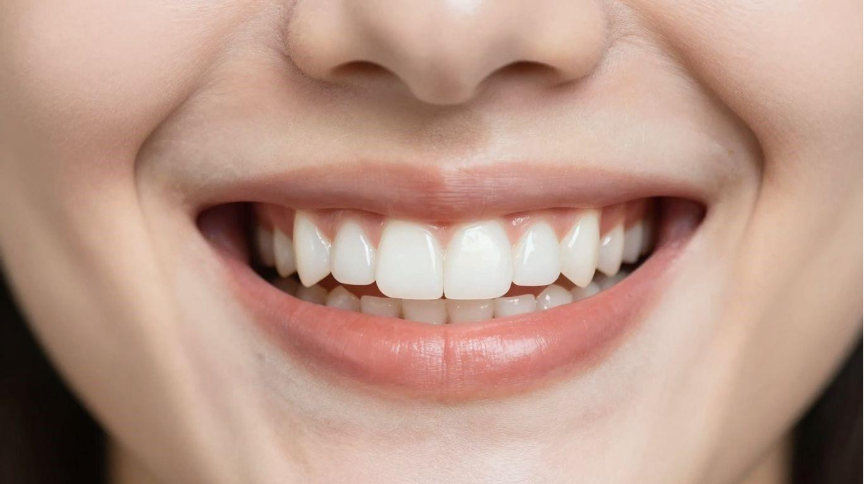
Many people think cosmetic dentistry is just about making teeth look pretty. While a brighter, straighter smile is definitely a big part of it, these treatments can actually do more for your oral health than you might realize. It’s not all about looks; sometimes, fixing the appearance of your teeth also helps them work better and stay healthier in the long run. Let's look at how cosmetic dentistry can improve oral health and why it's more than just a surface-level fix.
Key Takeaways
- Cosmetic dentistry procedures can restore damaged teeth, preventing further decay and the need for more complex treatments later.
- Correcting misaligned teeth or closing gaps can make it easier to clean your teeth properly, reducing the risk of cavities and gum disease.
- Treatments like crowns and implants don't just look good; they protect teeth from damage and replace missing ones, which helps maintain proper bite and prevents shifting.
- While focused on appearance, cosmetic dentistry can address underlying issues that cause discomfort, like jaw pain from bite problems.
- A more attractive smile can boost confidence, which may encourage better daily oral hygiene habits and regular dental visits.
More Than Just a Better Smile
When people think about cosmetic dentistry, they often picture a brighter, straighter smile. And sure, that's a big part of it. But honestly, it's so much more than just looking good. It's about how your teeth work together, how easy they are to keep clean, and how that all adds up to better overall health. Think of it like this: fixing a chipped tooth isn't just about hiding a flaw; it's about preventing that chip from getting worse or causing problems down the line. Similarly, straightening teeth doesn't just make them look nice; it makes them easier to brush and floss, which means less chance of cavities and gum issues. Cosmetic dentistry can actually be a pathway to improved oral health.
It's not just about vanity. Procedures that improve the look of your teeth often fix underlying issues too. For example, closing gaps between teeth can stop food from getting stuck there, reducing the risk of decay. Reshaping uneven gums can make them healthier and less prone to disease. Even simple treatments like bonding or veneers can restore damaged teeth, protecting them from further problems. It's a win-win: you get a smile you love, and your mouth stays healthier.
The benefits of cosmetic procedures often go hand-in-hand with better oral hygiene. When you feel good about your smile, you're more likely to take care of it.
- Restoring tooth structure: Procedures like bonding, veneers, or crowns can fix damaged or worn-down teeth, keeping them strong and preventing more serious issues later.
- Correcting alignment: Straightening teeth, whether with braces or clear aligners, makes them easier to clean, reducing the risk of decay and gum problems.
- Addressing gaps: Closing spaces between teeth stops food from getting trapped, which helps prevent cavities and gum disease.
- Improving gum appearance: Procedures like gum contouring can create a more balanced gum line, which can also contribute to better gum health.
Ultimately, feeling good about your smile can encourage you to maintain better oral hygiene habits. When you're happy with how your teeth look, you're more motivated to brush, floss, and visit your dentist regularly. This commitment to care is key for long-term oral health and can lead to a more confident you. It's about feeling good inside and out, and a healthy, attractive smile plays a big part in that. You can explore options for smile enhancement that fit your needs.
Understanding Cosmetic Dentistry and Its Scope
Cosmetic dentistry is a specialized area within dental care that focuses on improving the appearance of your smile. While many people associate it solely with aesthetics – think whiter teeth or a straighter smile – its scope actually goes quite a bit further. It's about enhancing the look of your teeth, gums, and bite, often using advanced techniques and personalized treatments.
The primary goal is to create a smile that is both beautiful and healthy. Unlike general dentistry, which is mainly concerned with preventing and treating diseases like cavities and gum disease, cosmetic dentistry zeroes in on the visual aspects. This can involve procedures to change the color, shape, size, or alignment of your teeth. It also addresses issues like chips, cracks, gaps, and even the appearance of your gum line.
It's interesting how many cosmetic procedures also have restorative benefits. For instance, a veneer might fix a chipped tooth (cosmetic) while also protecting it from further damage (restorative). Similarly, dental implants not only fill a gap for a better look but also restore the ability to chew properly and prevent bone loss.
- Improving tooth color and brightness
- Correcting tooth shape and size
- Closing spaces between teeth
- Improving the appearance of the gum line
- Restoring chipped, cracked, or worn teeth
While the focus is on aesthetics, the underlying aim is often to improve overall oral function and confidence, which can indirectly encourage better oral hygiene habits.
It's important to remember that cosmetic dentistry is a blend of art and science. Dentists use their knowledge of dental anatomy along with creative skill and modern technology to achieve results that look natural and are tailored to each individual. If you're considering treatments to improve your smile, understanding the full range of what cosmetic dentistry offers is a great first step.
How Cosmetic Dentistry Supports Better Oral Function
It's easy to think of cosmetic dentistry as purely about looks, but it actually does a lot to help your mouth work better. When teeth aren't aligned properly, or if there are gaps, it's not just an aesthetic issue. These problems can make it harder to chew food properly and can create places where food particles and bacteria get stuck, leading to decay and gum problems. Procedures like straightening teeth with clear aligners or closing gaps with bonding can make a big difference. Fixing these functional issues is a key part of how cosmetic dentistry can improve oral health.
Think about it: when your bite is off, you might be putting extra stress on certain teeth or your jaw. This can lead to discomfort, jaw pain, and even damage over time. Cosmetic treatments can correct these alignment problems, distributing chewing forces more evenly. This not only feels better but also protects your teeth and jaw from unnecessary wear and tear. So, does cosmetic dentistry improve dental health? Absolutely, by addressing these underlying functional concerns.
- Restoring Damaged Teeth: Procedures like crowns and veneers can protect teeth that are chipped, cracked, or worn down. This prevents further damage and allows you to chew normally again.
- Replacing Missing Teeth: Dental implants or bridges fill the spaces left by missing teeth. This stops remaining teeth from shifting and helps restore your ability to bite and chew effectively.
- Correcting Bite Issues: Orthodontic treatments can realign teeth, improving your bite and making chewing more efficient and comfortable.
Addressing functional problems through cosmetic dentistry isn't just about making things look good; it's about making your mouth work the way it's supposed to. This can prevent bigger problems down the road and make everyday activities like eating much more pleasant. For more on how these treatments can benefit you, consider looking into cosmetic dental services.
When your teeth and bite are functioning correctly, it's easier to maintain good oral hygiene. You can clean your teeth more effectively, reducing the risk of cavities and gum disease. This improved function directly contributes to better overall dental health.
Cosmetic Dentistry and Oral Hygiene Improvement
It's easy to think of cosmetic dentistry as purely about looks, but it actually plays a significant role in keeping your mouth healthy. When teeth are straighter, less crowded, or have gaps closed, they become much easier to clean. Think about it: fewer places for food particles and plaque to hide means a lower risk of cavities and gum problems. Procedures that fix chips or cracks also create smoother surfaces, which are less likely to trap bacteria.
Restoring proper alignment and structure makes a real difference in how effectively you can maintain your oral hygiene.
- Easier Cleaning: Straightening crowded or overlapping teeth, for instance, removes hiding spots for plaque and food debris. This makes brushing and flossing more effective.
- Smoother Surfaces: Repairing chips, cracks, or worn edges creates a smoother tooth surface. This reduces areas where bacteria can accumulate, contributing to better gum health.
- Addressing Gaps: Spaces between teeth can be difficult to clean and often trap food. Cosmetic procedures can close these gaps, making it simpler to keep the area clean and prevent decay or gum irritation.
- Improved Bite Function: When your bite is properly aligned, it can reduce uneven wear on teeth and make chewing more efficient. This can indirectly support better oral hygiene by preventing issues that might make cleaning difficult.
Sometimes, the desire for a more attractive smile can be the motivation needed to adopt better daily habits. When people feel good about how their teeth look, they are often more inclined to brush and floss regularly, leading to overall improved oral health.
Procedures like dental bonding, veneers, or even orthodontic treatments can correct issues that might have made thorough cleaning a challenge. By improving the shape, alignment, and condition of your teeth, cosmetic dentistry can make your daily oral care routine more effective, ultimately supporting long-term dental wellness.
Long-Term Oral Health Benefits of Cosmetic Dentistry
Cosmetic dentistry is often seen as purely about looks, but the truth is, it offers quite a bit more for your long-term oral health. When you fix issues like crooked teeth or gaps, it's not just about a prettier smile; it makes cleaning your teeth much easier. This means less chance for plaque to build up, which is a big win for preventing cavities and gum disease. Think of it as setting yourself up for fewer dental problems down the road.
Many cosmetic dental procedures and oral health benefits go hand-in-hand. For instance, procedures like veneers or crowns can protect teeth that might be weakened or damaged. This restoration prevents further decay and can stop a small problem from becoming a much bigger, more expensive one later. It’s about preserving what you have and making it stronger.
- Improved Hygiene Access: Straightening teeth or closing gaps means there are fewer places for food particles and bacteria to hide, making daily brushing and flossing more effective.
- Prevention of Further Damage: Restoring chipped, cracked, or worn teeth with treatments like bonding or crowns protects them from breaking down further and potentially needing extraction.
- Restored Functionality: Addressing bite issues or replacing missing teeth can alleviate strain on your jaw and prevent remaining teeth from shifting, which can cause pain and wear.
- Increased Confidence and Care: Feeling good about your smile often motivates people to take better care of their teeth. This boost in self-esteem can lead to more consistent oral hygiene habits and regular dental check-ups, contributing to overall well-being.
Investing in cosmetic dentistry can be seen as an investment in your future oral health. By addressing aesthetic concerns, you're often simultaneously tackling underlying functional or structural issues that could lead to more significant problems if left untreated. It’s a proactive approach to maintaining a healthy mouth.
Ultimately, the benefits of cosmetic dentistry for oral hygiene are substantial. Procedures that improve the appearance of your teeth often make them healthier and easier to maintain. It’s a smart way to look good and feel good about your smile for years to come. For more on how these treatments can help, consider exploring cosmetic dentistry options.
A Healthier Smile, A Healthier You
So, it turns out cosmetic dentistry is more than just about looking good. While getting that brighter, straighter smile is definitely a big plus, many of these treatments actually help fix problems that could cause bigger issues down the road. Things like fixing a chipped tooth or closing up gaps aren't just for looks; they can make cleaning your teeth easier and prevent further damage. Plus, feeling good about your smile can really make you want to take better care of your teeth overall. It’s a win-win, really. If you're thinking about cosmetic work, remember to chat with your dentist about how it can help your mouth stay healthy, not just look great. Contact Smile Artistry Chino today to learn how a customized smile makeover can transform your confidence and appearance.
Frequently Asked Questions
Can cosmetic dental work actually help my teeth stay healthy?
Yes, it can! While cosmetic dentistry often focuses on making smiles look great, many procedures also fix problems that could harm your teeth later. For instance, fixing a chipped tooth with a veneer stops it from breaking further, and straightening crooked teeth makes them easier to clean, preventing cavities and gum issues.
How does fixing gaps between teeth help my oral health?
Gaps between teeth can be little hiding spots for food and bacteria. These can lead to cavities and gum problems. Procedures like bonding or braces can close these gaps, making it much easier to keep your teeth clean and healthy.
Do treatments like crowns and veneers really improve oral health?
Absolutely. Crowns are like protective hats for damaged teeth, stopping them from breaking or getting worse. Veneers can cover up chips and cracks, protecting the tooth underneath. Both help keep your natural tooth structure safe and functional.
Can correcting my bite improve my dental health?
Yes, a misaligned bite can cause problems like jaw pain and make it harder to chew properly. Orthodontic treatments, such as braces or clear aligners, can fix these issues. This not only makes your smile look better but also helps your teeth work together correctly and reduces wear and tear.
Does cosmetic dentistry help with gum health?
Sometimes. Procedures like gum contouring can reshape the gum line, which can help prevent gum disease by making it easier to clean the teeth and gums properly. Addressing uneven or overgrown gums can lead to a healthier mouth overall.
If I get cosmetic dental work, do I still need regular dental check-ups?
Definitely. Cosmetic procedures are meant to enhance your smile and health, but they don't replace regular dental care. Your dentist needs to check on your overall oral health, make sure your cosmetic work is in good shape, and catch any new problems early.
Blog Post Author

Contributed by DentalROI
DentalROI provides relevant dental content to help providers educate patients. The statements, services, and products referenced in this article have not been evaluated by the Food and Drug Administration, and they are not intended as a substitute for professional medical advice, diagnosis, or treatment. Always seek the advice of your dental provider with any questions or issues you may have. Specific recommendations may vary in different circumstances, so individual consultation is important.