Chino Hills Family Dentist: What to Expect at Your First Visit
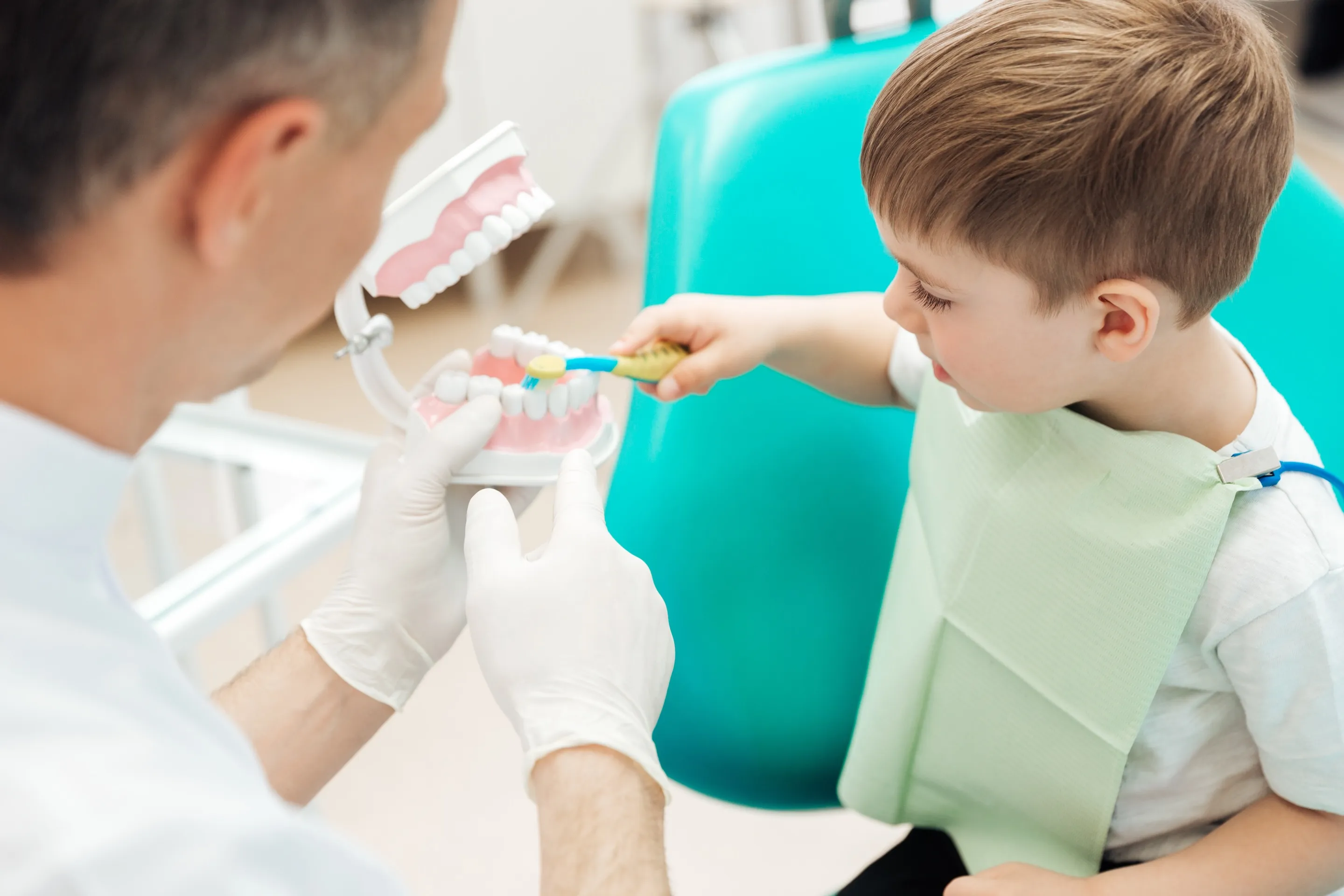
A first dental visit is usually part conversation, part health history, and part examination. You do not need to know exactly what treatment you might need before arriving. Bring the information the office will need, allow a little extra time, and mention anything that could affect your comfort. A calm, prepared start gives the dental team a clearer picture of your needs.
Bring a photo ID, insurance information, and a list of current medications. If you are transferring care, any recent X-rays or records can also be useful, although the office can tell you what it needs in advance. For a child, bring details about allergies, medical conditions, and previous dental experiences.
New-patient forms commonly ask about your contact details, health history, medications, allergies, and dental concerns; you can review what to expect and download the intake paperwork ahead of time from our Patient Information page. Complete what you can before the appointment, but do not guess when an answer is unclear, and leave room to discuss details in person.
Share your dental history before the examination begins, including past procedures, sensitivity, injuries, and any gaps in routine care. Your general medical history matters too because some conditions and medications can affect your mouth or the way care is planned.
Dental anxiety is common, and you can mention it while booking or when you arrive — explain what tends to worry you, such as sounds, injections, discomfort, or feeling rushed, and ask the team to explain each step and agree on a signal for pauses. Our approach to dental anxiety focuses on pacing appointments to your comfort level and answering questions before any instrument is used, so nervous patients and first-time visitors feel informed rather than rushed.
What Happens When You Check In
Check-in is generally straightforward, but the first visit may involve more questions than a routine cleaning. The front-desk team may confirm your contact details, insurance information, and consent paperwork before the clinical portion begins. Bring your insurance card even if the office already has information on file; staff may verify eligibility, copays, deductibles, or paperwork requirements, but coverage can vary by plan and procedure, so ask which costs are estimated and what your plan may not cover.
You may meet a receptionist, dental assistant, hygienist, and dentist during the appointment, each with a different role in gathering information, taking images, cleaning teeth, or discussing care. Tell the team why you scheduled the appointment, even if the reason seems minor, and if you have a specific goal, say so early so it can be included in the discussion. The office may also ask you to review privacy notices and sign consent forms before care begins; read them at your own pace and ask about anything you do not understand.
The Dental Exam and Health Assessment
The examination is tailored to the patient's age, history, symptoms, and risk factors. The dentist may look at the teeth, gums, bite, jaw, and surrounding tissues, while also discussing habits and previous care. Some visits include X-rays or a cleaning, and some focus first on understanding a problem, with the goal being to collect enough information for a sensible next step rather than rush through every possible service.
The dentist or hygienist will inspect visible tooth surfaces and the gumline for changes in color, swelling, bleeding, buildup, or sensitivity, and may gently measure areas around the gums and examine existing fillings or crowns. The exam may identify early decay, gum inflammation, worn tooth surfaces, cracks, or areas that deserve observation — a finding does not always mean treatment is needed immediately, so ask what was found, how certain the assessment is, and what could happen if it is monitored. X-rays may be recommended when the dentist needs information that cannot be seen during a visual exam, and the type and number depend on your age, symptoms, history, and existing records.
The dentist may also check your bite alignment, jaw movement, and any signs of clenching or grinding, since these habits can affect your teeth and jaw joints over time even without noticeable pain. If you have noticed clicking, soreness, or stiffness in your jaw, mention it during this part of the exam so it can be evaluated alongside the rest of your findings. Soft tissue in the mouth, including the tongue, cheeks, and roof of the mouth, is typically checked as well, since this portion of the exam can help identify irritation or changes worth tracking over future visits.
What Your Child's First Visit May Include
A child's first visit should be adjusted to their age, communication style, and previous experiences. The appointment may be shorter or more introductory than an adult exam, particularly if the child is very young or nervous, and parents can help by using positive, simple language and avoiding alarming details. Infants, toddlers, school-age children, and teenagers have different dental needs and attention spans, and the dentist may also consider tooth eruption, development, diet, and habits appropriate to that age.
Children often respond well when unfamiliar tools are introduced slowly and described in plain language; the team may let a child look at a mirror or suction device before using it. The dentist may count teeth, examine eruption patterns, and look at spacing, crowding, or early alignment concerns, with a follow-up suggested if a change needs monitoring. Our kid-friendly dentistry approach also covers brushing, flossing, and diet habits appropriate to your child's age and family schedule.
Cleaning and Preventive Care
A cleaning is not always the first priority on an initial visit. The decision depends on the examination, the patient's comfort, the amount of buildup, and whether another concern needs attention first. Some patients can have an examination and cleaning during the same appointment, while others may need a separate visit, so ask whether cleaning is included, postponed, or likely to require additional time.
A professional cleaning removes plaque and hardened tartar from areas that brushing and flossing may miss, using hand instruments, powered instruments, or both depending on the patient's needs and comfort. Fluoride may be discussed as one way to strengthen teeth and reduce the risk of decay, and protective sealants may also be considered for certain grooves and chewing surfaces that are difficult to keep clean.
A hygienist can also show you how to angle the toothbrush, reach along the gumline, and clean between teeth — it can help to leave with one or two specific changes instead of a long list.
Reviewing Findings and Treatment Options
The final discussion should connect the examination results with practical choices. The dentist may explain what needs attention now, what can be monitored, and what preventive steps could lower future risk. Ask the dentist to point out the concern, describe its current condition, and explain how it was identified; if dental terms are unfamiliar, request a simpler explanation without hesitation, and ask whether the issue is urgent, stable, or something to watch.
Not every recommendation has the same timing. Pain, swelling, infection, trauma, or a rapidly changing problem may need prompt attention, while early risk factors can often be addressed through prevention and monitoring. When more than one approach is available, ask how the options differ in purpose, visits, recovery, durability, and maintenance. Request an estimate before scheduling recommended treatment and ask which parts are expected to be covered by insurance, and confirm whether the estimate is complete or may change after further evaluation. If cost is a concern, ask about payment timing and whether treatment can be phased into more manageable steps rather than completed all at once.
Preparing for a Smooth Follow-Up
Before leaving, confirm the recommended interval for your next visit and what the team wants you to do in the meantime — writing the date and purpose in your calendar can prevent confusion. Follow the instructions for brushing, flossing, food, medication, or activity as closely as you can, and if a recommendation is difficult because of work, school, age, or discomfort, ask for an adjustment rather than quietly abandoning it.
Pay attention to worsening pain, swelling, fever, persistent bleeding, a loose restoration, or difficulty eating and sleeping, and contact the dental office for guidance when symptoms are new, severe, or not improving as expected. Routine visits help the dental team compare changes over time and reinforce prevention, so keep appointments even when nothing hurts, since many dental concerns do not cause early symptoms. To schedule your family's next visit, reach out through our Contact Us page.
Conclusion
Your first visit with a Chino Hills family dentist is a chance to establish a baseline, ask honest questions, and create a manageable plan for ongoing oral health. Bring useful records, describe your concerns, and speak up about comfort or cost. Whether the next step is prevention, monitoring, or treatment, understanding the reasoning behind it can make dental care feel much more approachable.
Frequently Asked Questions
How long does a first dental visit usually take?
The length varies with age, symptoms, paperwork, X-rays, and whether a cleaning is completed. Ask the office when scheduling so you can plan enough time without feeling rushed.
Should I eat before a dental appointment?
Unless the office gives different instructions, a light meal and normal hydration are usually practical. Avoid arriving overly hungry, especially if you tend to feel anxious or lightheaded.
Should children have a parent in the treatment room?
Policies vary by office and by the child's age or needs. Ask ahead of time, and focus on whichever arrangement helps the child feel safe and communicate comfortably.
Are dental X-rays always required at a first visit?
No. The need for X-rays depends on the patient's history, symptoms, age, existing records, and the information the dentist needs from the examination.
What if I have not seen a dentist in several years?
Tell the office when scheduling and be honest about the gap. The team can plan enough time for a careful assessment and explain which concerns deserve attention first.
Can a cleaning and exam happen on the same day?
Often they can, but it depends on the appointment schedule, the examination findings, the amount of buildup, and the patient's comfort. Confirm when you book.
What should I do if I am nervous about dental treatment?
Mention your anxiety before and during the visit. According to the American Dental Association, telling your dentist about your anxiety and agreeing on a signal to pause during treatment can help ease dental fear, and the team can discuss comfort options appropriate for your situation.
About the Author
Smile Artistry Chino Valley provides general and cosmetic dentistry to patients throughout Chino, Pomona, Ontario, Montclair, and Eastvale, California. The practice is led by Dr. Vijaya Cherukuri, who focuses on gentle, patient-centered care for patients and families of all ages, including anxious patients and young children.
Disclaimer
The information provided in this article is for educational purposes only and does not constitute professional medical or dental advice, diagnosis, or treatment recommendations. What to expect at your own first visit can vary based on your individual history and needs. Always consult your dentist with any questions regarding your treatment.
Blog Post Author

Contributed by DentalROI
DentalROI provides relevant dental content to help providers educate patients. The statements, services, and products referenced in this article have not been evaluated by the Food and Drug Administration, and they are not intended as a substitute for professional medical advice, diagnosis, or treatment. Always seek the advice of your dental provider with any questions or issues you may have. Specific recommendations may vary in different circumstances, so individual consultation is important.