Can Invisalign® Fix Overbite: Before & After Results
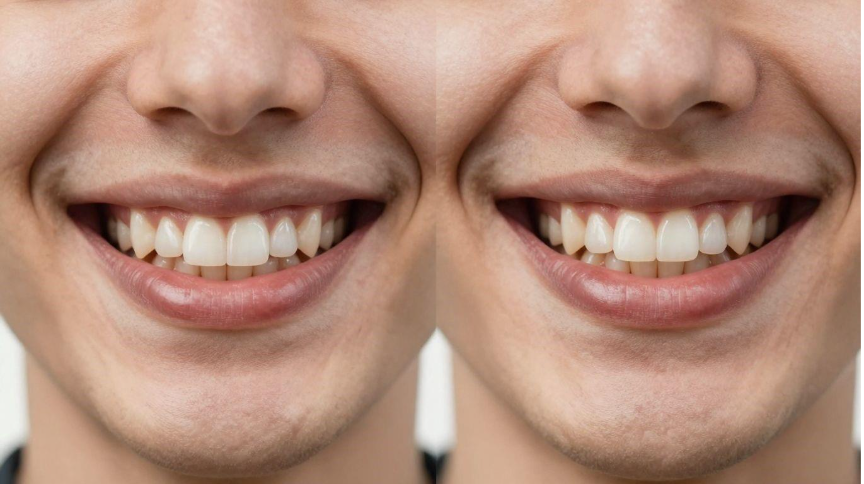
Many people wonder if Invisalign, the popular clear aligner system, can actually fix an overbite. An overbite happens when the top teeth overlap the bottom teeth quite a bit. This can cause problems with chewing, speaking, and even jaw comfort. For those looking for a less visible way to straighten their smile, the question naturally arises: can you fix an overbite with Invisalign? This article explores how Invisalign works for overbite correction and what kind of results people can expect.
Key Takeaways
- Yes, Invisalign can often fix mild to moderate overbites by gradually shifting teeth into a better position.
- The treatment process involves wearing custom-made clear aligners for about 22 hours a day.
- Invisalign treatment for an overbite typically takes between 6 to 24 months, depending on the case's complexity and patient compliance.
- While Invisalign is effective for many overbites, very severe cases might still require traditional braces or other orthodontic interventions.
- Benefits of using Invisalign for overbite correction include its discreet appearance, comfort, and the ability to remove aligners for eating and cleaning.
What Is an Overbite?
An overbite is a common dental issue where the upper teeth extend too far over the lower teeth when the mouth is closed. It's not just about how your smile looks; it can actually affect how you chew, speak, and even lead to discomfort. Think of it like this: when your bite is right, your top teeth should slightly overlap your bottom teeth, usually by just a couple of millimeters. With an overbite, that overlap is much more significant.
This condition, also known as a deep bite, can stem from various factors. Sometimes, it's just how someone's jaw developed, maybe due to genetics. Other times, habits during childhood, like prolonged thumb-sucking or using a pacifier for too long, can play a role. Even things like tongue thrusting or breathing through your mouth can contribute to the development of an overbite over time.
An overbite means your top front teeth cover more than a third of your lower front teeth.
Why does it matter if your teeth overlap too much? Well, leaving an overbite unaddressed can lead to a few problems down the road. It might make chewing less efficient, potentially causing jaw pain or headaches. Some people find it affects their speech, causing them to lisp. Plus, those protruding upper teeth can be more vulnerable to chips or breaks if you happen to take a fall or get hit during sports. It can also make cleaning your teeth a bit trickier, potentially increasing the risk of cavities or gum issues.
It's important to remember that overbites exist on a spectrum. Some are quite mild and might only be a minor cosmetic concern, while others are more pronounced and can impact daily functions like eating and speaking. A dental professional can properly assess the severity of your specific overbite.
Can Invisalign® Fix an Overbite?
So, you're wondering if Invisalign can fix an overbite? The short answer is yes, it often can. For a long time, people thought Invisalign was only for minor tooth straightening, but it's come a long way. Now, it's a viable option for correcting many types of overbites, from mild to more significant ones.
Invisalign works by using a series of custom-made clear aligners that gradually move your teeth into the desired position. Unlike traditional braces, there are no wires or brackets to worry about. You simply wear the aligners for 20-22 hours a day, removing them only to eat, drink, brush, and floss. This makes it a really convenient choice for many people.
Whether you can fix an overbite with Invisalign really depends on a few things:
- Severity of the Overbite: While Invisalign is great for many cases, very severe overbites might still require traditional braces or other orthodontic appliances. Your orthodontist will be able to tell you what's best for your specific situation.
- Patient Compliance: This is a big one. You have to wear your aligners as directed for the treatment to be effective. If you're good about wearing them, you'll see better results.
- Age: While it's often easier to correct bite issues when you're younger, Invisalign can absolutely fix overbites in adults too. The key is consistent wear and proper care of the aligners.
It's true that sometimes, especially with more complex overbites, elastics or other attachments might be used with Invisalign to help guide the teeth and jaw into place. This just means the system is adaptable to different needs. So, can Invisalign fix overbites? For many people, the answer is a definite yes. It's a modern approach to straightening teeth and correcting bite problems, offering a discreet way to achieve a healthier smile. If you're curious about whether it's the right choice for you, it's always best to consult with an orthodontist who can assess your unique needs and discuss the possibilities for your smile transformation.
The Invisalign® Overbite Treatment Process
So, you're thinking about Invisalign for your overbite? That's great! It's a pretty common issue, and thankfully, there's a clear path to fixing it with these clear aligners. The whole journey starts with a chat with your orthodontist. They'll take a good look at your teeth and bite, probably using some fancy 3D scanning tech – no more goopy molds, which is a relief for many people. This initial visit is all about figuring out if Invisalign is the right fit for your specific overbite and what your goals are.
Once they've got all the info, they'll map out a personalized plan just for you. This isn't just a general idea; they'll show you, often on a screen, how your teeth are expected to move step-by-step. This detailed planning is key to making sure the treatment works effectively. You'll get a series of custom-made aligners, and the idea is simple: wear each set for about one to two weeks before switching to the next. It's a gradual process, with each aligner gently nudging your teeth closer to their final, corrected position.
Here's a general rundown of what to expect:
- Initial Consultation: Discuss your overbite, get a thorough examination, and undergo digital scanning.
- Treatment Planning: Receive a customized plan showing the predicted movement of your teeth and the estimated treatment duration.
- Wearing Aligners: You'll receive your first set of aligners and instructions on how to wear them for at least 22 hours a day, removing them only to eat, drink (anything other than water), brush, and floss.
- Progress Checks: Regular appointments will be scheduled to monitor your progress and receive new sets of aligners.
- Attachments and Elastics: In some cases, small tooth-colored attachments might be bonded to your teeth to help the aligners grip better. You might also need to wear elastics, which connect to the aligners, to help guide your bite into place. These are important for achieving the best results.
The success of your Invisalign treatment really hinges on your commitment. Wearing the aligners as directed, keeping up with your appointments, and following any specific instructions, like wearing elastics, are all vital parts of the process. It's a team effort between you and your orthodontist to get that straighter smile.
Remember, consistency is super important. The aligners are designed to apply gentle, controlled pressure, and they work best when worn consistently. This steady, gradual movement is how Invisalign helps to correct your overbite over time. For many, this approach is much more comfortable and less noticeable than traditional braces, making the whole experience more pleasant. Once your treatment is complete, you'll transition to wearing retainers to keep your new smile in place, like custom Vivera retainers.
Invisalign® Overbite Before & After Results
Seeing is believing when it comes to correcting an overbite with Invisalign. Many people wonder what the actual results look like, and the transformation can be quite remarkable. While every smile is unique, the general outcome involves a significant improvement in how the upper and lower teeth meet, leading to a more balanced and functional bite.
The visual difference before and after Invisalign treatment for an overbite is often dramatic. Patients typically notice that their upper teeth no longer excessively overlap their lower teeth. This not only improves the appearance of their smile but also contributes to better chewing efficiency and can even alleviate jaw discomfort that may have been present.
Here's a general idea of what to expect:
- Improved Bite Alignment: The primary goal is to reduce the degree of overlap, allowing the front teeth to function more naturally.
- Enhanced Aesthetics: With the overbite corrected, the profile of the face can appear more balanced, and the smile looks more harmonious.
- Better Oral Health: A proper bite reduces stress on the teeth and jaw, potentially preventing issues like excessive wear, gum recession, and jaw joint problems down the line.
While specific timelines vary, many patients find that their overbite is significantly improved within the typical treatment duration for Invisalign, which can range from several months to a couple of years, depending on the complexity.
The journey from an initial overbite to a corrected bite with Invisalign is a testament to the system's ability to make precise, gradual movements. Patients often report feeling more confident and comfortable with their smile once treatment is complete, appreciating the discreet nature of the aligners throughout the process.
Benefits of Invisalign® for Overbite Correction
When considering how to fix an overbite, Invisalign® offers some pretty compelling advantages over older methods. For starters, the aligners are nearly invisible. This means you can go through your orthodontic treatment without feeling like everyone is staring at metal brackets on your teeth. It’s a big plus for adults and teens who might feel a bit self-conscious.
Another major perk is that the aligners are removable. You can take them out to eat, brush your teeth, and floss. This makes it way easier to keep your mouth clean and healthy during treatment, and you don’t have to give up your favorite foods. Plus, traditional braces can sometimes irritate your gums and cheeks, but Invisalign aligners are made from smooth plastic that’s custom-fitted to your mouth, making them generally more comfortable.
Here are some of the key benefits:
- Discreet Appearance: The clear aligners are hard to notice, allowing for a more confident treatment experience.
- Removable for Convenience: Easily take them out for meals, brushing, and flossing, maintaining better oral hygiene and dietary freedom.
- Comfortable Fit: Custom-made from smooth plastic, they typically cause less irritation than metal braces.
- Fewer Office Visits: Typically, you’ll only need check-ups every six to eight weeks, which is often less frequent than with traditional braces.
While Invisalign is a fantastic option for many, it's important to remember that the best treatment plan is always determined by a dental professional. They'll look at your specific situation to see if clear aligners are the right fit for correcting your overbite.
Ultimately, Invisalign provides a more comfortable and less noticeable way to achieve a straighter smile and correct an overbite.
Wrapping Up: Can Invisalign Fix Your Overbite?
So, after looking at all this, it seems like Invisalign can indeed help with overbites for many people. It's not a magic wand, of course. The success really hinges on how severe the overbite is and how well you stick to the plan – wearing those aligners pretty much all the time and going to your appointments. For milder to moderate overbites, the results can be pretty great, as those before-and-after pictures show. But for really complex or severe cases, traditional braces might still be the way to go. The best bet is always to chat with your orthodontist. They can look at your specific situation and tell you honestly if Invisalign is the right tool for your smile goals.
Frequently Asked Questions
What exactly is an overbite?
An overbite happens when your top front teeth stick out too far over your bottom front teeth. It's like your top teeth are covering your bottom teeth more than they should when your mouth is closed. This can be caused by things like genetics, or habits like thumb sucking when you were younger.
Can Invisalign really fix an overbite?
Yes, in many cases, Invisalign can successfully fix an overbite. It works by using a series of clear, custom-made aligners that gently push your teeth into the correct position over time. While it's great for mild to moderate overbites, very severe cases might still need traditional braces.
How does Invisalign work to correct an overbite?
Invisalign uses special clear trays, called aligners, that you wear for most of the day. Each set of aligners is slightly different and applies gentle pressure to move your teeth. For an overbite, these aligners might push your upper teeth back, pull your lower teeth forward, or rotate teeth to get everything lined up correctly.
How long does Invisalign treatment usually take for an overbite?
The time it takes to fix an overbite with Invisalign can differ for everyone. It generally ranges from about 6 to 22 months. This depends on how severe your overbite is and how well you stick to wearing your aligners as directed by your orthodontist.
Do I have to wear elastics with Invisalign for my overbite?
Sometimes, yes. Depending on how bad your overbite is and your specific treatment plan, your orthodontist might suggest using small rubber bands, called elastics, along with your Invisalign aligners. These elastics help provide extra force to move your teeth into the right place.
What are the main benefits of using Invisalign for an overbite compared to braces?
Invisalign offers a few big advantages. The aligners are nearly invisible, so they're less noticeable than metal braces. They are also removable, making it easy to eat, brush, and floss. Plus, many people find them more comfortable to wear.
Blog Post Author

Contributed by DentalROI
DentalROI provides relevant dental content to help providers educate patients. The statements, services, and products referenced in this article have not been evaluated by the Food and Drug Administration, and they are not intended as a substitute for professional medical advice, diagnosis, or treatment. Always seek the advice of your dental provider with any questions or issues you may have. Specific recommendations may vary in different circumstances, so individual consultation is important.