Can I Brush My Teeth Before or After Using Whitestrips?
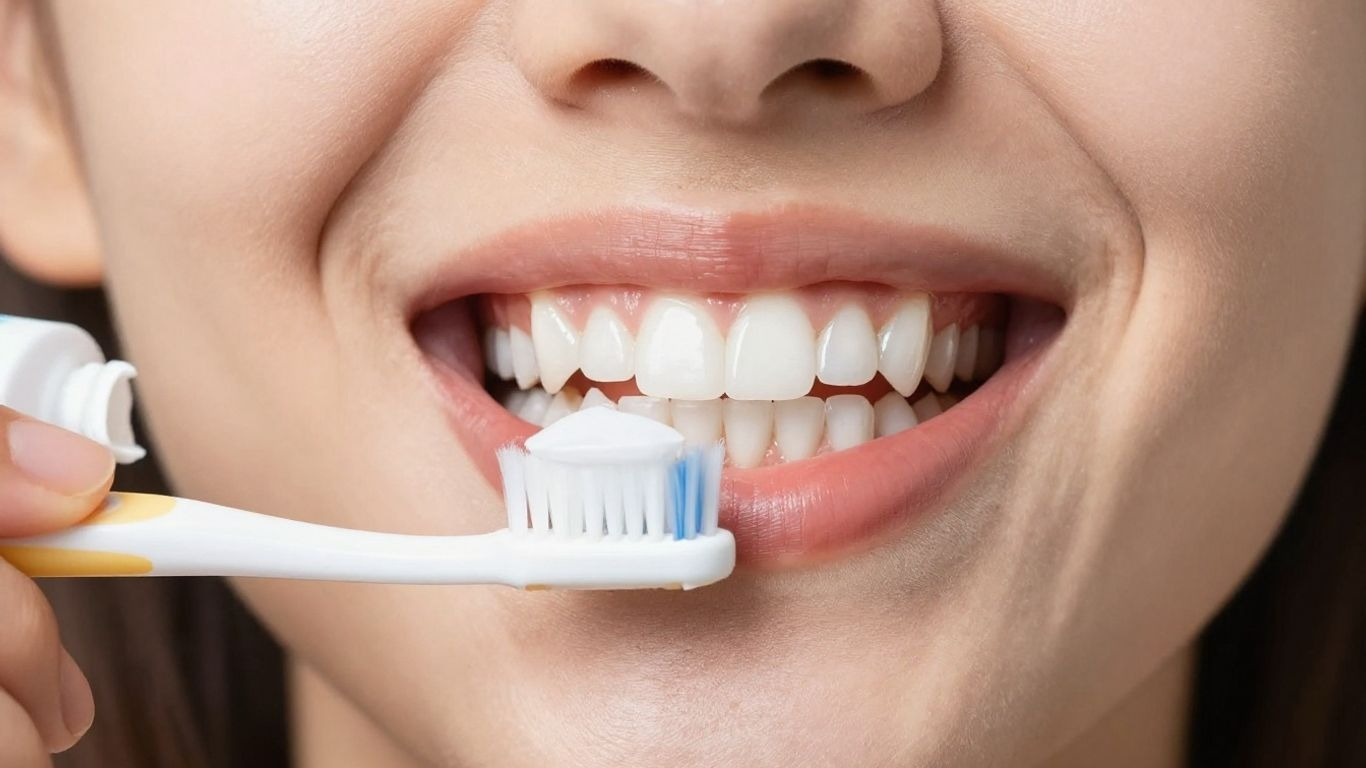
Thinking about using whitening strips, but wondering if you should brush your teeth before or after whitening strips? You can do it either way as long as you follow the right approach to protect your teeth and gums. Whitening strips are a popular choice for at-home whitening. It is a simple and affordable method. It offers a convenient solution to brighten your teeth without a high cost or time commitment required for a professional whitening session. However, just like with any dental treatment, how you prepare your teeth can impact both the outcome and your overall comfort. For instance, brushing too close to applying whitening strips can make your teeth more sensitive and gums more prone to irritation. In the next sections, we will explore the best approach to brushing before whitening and how you can get the most from your treatment.
What You Should Understand
- It's generally okay to brush your teeth before using whitening strips, but don't do it immediately beforehand. Wait about 20-30 minutes after brushing to let your teeth and gums settle down. This helps prevent irritation and allows the whitening gel to work better.
- Brushing right before applying strips can make your teeth more sensitive because the enamel might be temporarily weakened. It can also irritate your gums.
- Brushing after you remove the whitening strips is usually fine, but again, it's best to wait a bit. Waiting at least 30 minutes after removing the strips before brushing can help reduce sensitivity.
- If you do brush after using the strips, use a soft toothbrush and gentle strokes. Rinsing your mouth with water first can help remove any leftover gel.
- Always check the specific instructions that come with your whitening strips, as different brands might have slightly different recommendations for brushing before or after use.
Should You Brush Your Teeth Before Using Whitening Strips?
So, you've got your whitening strips ready to go, and you're wondering about the whole brushing situation. It's a super common question, and honestly, the advice out there can be a bit all over the place. Should I brush my teeth before using whitening strips? Let's break it down.
What happens if you brush right before applying whitening strips?
Okay, so brushing your teeth is generally a good thing, right? It gets rid of all that gunk – food bits, plaque, you name it. When you're about to slap on those whitening strips, you might think a fresh brush is the way to go. And yeah, getting rid of that stuff can help the whitening gel stick better and maybe do its job more effectively. It's like cleaning a canvas before you paint it.
But here's the catch: brushing right before you use the strips can sometimes cause a bit of trouble. Your gums can get a little irritated, especially if you tend to brush pretty hard or use a toothpaste that's a bit strong. Plus, that fresh brushing can make your teeth feel more sensitive to the peroxide in the strips. Nobody wants that zingy feeling when they're just trying to get a brighter smile.
It turns out, there's a sweet spot. You want clean teeth, but you don't want freshly scrubbed, sensitive teeth and gums. Waiting a little bit after brushing is usually the best bet.
- Brush gently: Use a soft brush and a mild toothpaste. No need to go all out.
- Wait it out: Give your teeth and gums about 20 to 30 minutes to chill after brushing before you apply the strips.
- Dry 'em off: Gently pat your teeth dry with a tissue. This helps the strips stick on properly.
Following these steps helps make sure you're getting the best results without unnecessary discomfort. It's all about that balance!
Should I Brush My Teeth Before Using Crest Whitening Strips?
Okay, so you've got your Crest Whitening Strips ready to go, and you're wondering about the whole brushing situation. It's a pretty common question, and honestly, the answer isn't a simple yes or no. It's more of a 'yes, but...' kind of deal.
Is the answer different for Lumineux whitening strips?
When it comes to Crest Whitening Strips, the general advice is to brush your teeth, but not right before you slap those strips on. Think of it like this: brushing gets rid of any leftover food bits and plaque. That's good, because you want the whitening gel to get to your actual tooth surface, not just sit on top of gunk. However, brushing can make your gums and enamel a little sensitive. If you go straight from brushing to applying the strips, that peroxide in the gel might sting a bit more than usual. So, the smart move is to brush your teeth, maybe floss too, and then just chill for about 20 to 30 minutes before you start whitening. This gives your mouth a little break.
Now, about Lumineux whitening strips – or any other brand, really. The core idea is pretty much the same across the board. Most whitening strips use some form of peroxide to lift stains. Because of this, the risk of gum irritation from brushing immediately before application is a universal concern. So, even if you're using Lumineux, which might have a slightly different formula, the advice to wait a bit after brushing still holds true. Always check the specific instructions on your Lumineux box, but generally, giving your teeth a little buffer time after brushing is a good practice for most whitening strips.
- Brush your teeth to clear away debris.
- Wait about 20-30 minutes after brushing.
- Dry your teeth gently before applying the strips for better adhesion.
Brushing right before whitening can sometimes make your gums feel a bit tender when the strips go on. Giving yourself a little waiting period helps avoid that discomfort and lets the strips do their job without any extra irritation.
So, to sum it up, yes, you should brush your teeth before using Crest Whitening Strips, but make sure you give yourself a little break in between. It’s all about getting the best results without any unnecessary ouchies.
Should You Brush Before or After Whitening Strips — The Right Order
Okay, so you've got your whitening strips ready to go, but now you're staring at your toothbrush, wondering, 'What's the move here?' It's a super common question, and honestly, the timing can make a difference in how well the strips work and how your teeth feel.
How long should you wait to brush after using whitening strips?
This is where things get a little specific. Most dentists and the strip manufacturers themselves suggest a waiting period after you're done with the strips. The general consensus is to wait at least 30 minutes, and sometimes up to an hour, before brushing your teeth after removing the whitening strips. Why the wait? Well, the whitening agents in the strips can make your enamel a bit more porous and sensitive immediately after use. Brushing too soon can potentially irritate your gums or even wash away some of the lingering whitening agents before they've had a chance to do their full job. Think of it as letting the treatment settle in.
So, what's the ideal sequence then?
- Brush your teeth first, but gently. Use a soft-bristled brush and a mild toothpaste. You want to clean off any food bits or plaque that could get in the way of the strips adhering properly. Don't scrub like you're trying to win an award; just a gentle clean is fine.
- Wait a bit after brushing. This is key. Give your teeth and gums a break for about 20-30 minutes after you brush. This short pause helps reduce the chance of sensitivity and irritation when you apply the strips.
- Dry your teeth. Before you slap on those strips, give your teeth a quick pat with a clean tissue or towel. This helps the strips stick better, ensuring the whitening gel makes good contact with your tooth surface.
- Apply the whitening strips. Follow the package directions for how long to leave them on.
- Remove the strips and wait to brush. As mentioned, hold off on brushing for at least 30 minutes after you take the strips off.
It might seem like a lot of waiting around, but this careful timing helps protect your teeth and gums from irritation while also giving the whitening agents the best chance to work their magic. Patience really does pay off when it comes to getting that brighter smile.
Basically, it's about prepping your teeth without overdoing it right before, and then giving them some recovery time afterward. It's not complicated, just a few extra steps to make sure you get the best results without any unnecessary discomfort.
Common Whitening Strip Mistakes That Reduce Results
So, you've got your whitening strips ready to go, excited for that brighter smile. But hold on a sec! There are a few common slip-ups people make that can totally mess with how well those strips actually work, or even cause some unwanted side effects. Let's chat about what to avoid so you get the most bang for your buck.
Do whitening strips work better on clean or unbrushed teeth?
This is a big one, and honestly, it's a bit of a balancing act. You might think that leaving your teeth completely untouched means the strips can just go to town. But here's the deal: your teeth aren't usually spotless, even if they look it. There's always some gunk – leftover food bits, plaque, you name it – hanging around.
- Food Particles: These can create little barriers, stopping the whitening gel from reaching the tooth surface evenly. It's like trying to paint over a dusty table; the paint won't stick right.
- Plaque Buildup: This sticky film can also block the active ingredients in the strips.
- Surface Stains: If you've just had coffee or wine, those fresh stains can set in.
So, while you don't want to go crazy brushing right before, having reasonably clean teeth is actually better. Think of it as prepping a canvas. A quick, gentle brush beforehand can clear away the obvious stuff, letting the whitening agents do their job more effectively.
What happens if you brush right before applying whitening strips?
Okay, so we said clean is good, but too clean, or rather, too soon after brushing, can be a problem. When you brush, especially if you're a bit vigorous or use a toothpaste with strong flavors, you can actually make your teeth and gums a little more sensitive. The enamel can get slightly roughed up, and your gums might feel a bit tender.
Applying whitening strips immediately after brushing can be like putting a strong solution on a freshly scrubbed, sensitive surface. The chemicals in the whitening gel, like peroxide, might sting or cause irritation because your enamel and gums are more exposed and vulnerable right after brushing.
This sensitivity can make the whole whitening process uncomfortable. Plus, if your mouth is still a bit wet from brushing, the strips might not stick as well, leading to uneven whitening. That's why most experts suggest waiting a bit – maybe 20 to 30 minutes – after brushing before you slap on those strips. It gives your mouth a chance to calm down and return to its normal state.
Is the answer different for Lumineux whitening strips?
Lumineux strips are a bit different because they use a different kind of whitening agent. Instead of peroxide, they use a combination of ingredients like dead sea salt, coconut oil, and magnolia bark extract. These are generally considered gentler than traditional peroxide-based whiteners.
Because they're gentler, the strict timing rules might not be as critical compared to peroxide strips. However, the basic principle of having a clean surface still applies. You still want to remove obvious food debris so the natural ingredients can work their magic. It's probably still a good idea to avoid brushing immediately before, just to be safe and give the ingredients a good surface to adhere to, but the risk of major sensitivity is likely lower. Always check the specific instructions on the Lumineux packaging, though, as they know their product best!
Tips to Get the Best Results From Whitening Strips
Alright, so you've got your whitening strips and you're ready to get that brighter smile. Awesome! But to really make sure you're getting the most bang for your buck and avoiding any weird sensitivity, there are a few things you can do. It's not just about slapping them on and hoping for the best.
First off, always read the instructions that come with your specific brand of strips. Seriously, they're not just there for decoration. Different brands might have slightly different timings or application methods, and following them exactly is key.
- Prep your chompers right: As we've talked about, brushing right before can be a bit much for your teeth and gums. So, brush gently, maybe use a non-whitening toothpaste, and then give yourself a little break – like 20 to 30 minutes – before you pop those strips on. This gives your enamel a chance to chill out.
- Keep 'em dry: Before you stick those strips on, give your teeth a gentle pat with a clean tissue. A dry surface helps the strips stick better and ensures the whitening gel stays put where it needs to.
- Watch what you eat and drink: For at least 30 minutes after you take the strips off, try to avoid anything that could stain your teeth. Think coffee, tea, red wine, or even dark-colored fruits. It's like giving your newly brightened teeth a little protective shield.
- Store them properly: Keep your whitening strips in a cool, dry place, and definitely check that expiration date. Old strips might not work as well, and who wants that?
Remember, consistency is more important than intensity. It's better to use the strips as directed over the recommended period than to try and rush the process or use them more often than advised. Your teeth will thank you for it.
And hey, if you've got sensitive teeth or gum issues, don't be shy about looking for strips specifically designed for that, or chat with your dentist. They can offer advice tailored just for you.
So, What's the Verdict?
Alright, so after all that, what's the deal with brushing and whitening strips? Basically, you can brush before, but don't do it right before you slap those strips on. Give your teeth a little break, maybe like 20 to 30 minutes, so you don't end up with sore gums or extra sensitive chompers. Brushing after is usually fine too, just be gentle and maybe wait a bit. If you're ever unsure, or if your mouth feels weird, just ask your dentist. They're the pros, after all, and they can give you the best advice for your own smile.
Frequently Asked Questions
Should I brush my teeth right before using whitening strips?
It's generally not a good idea to brush your teeth immediately before applying whitening strips. Brushing can make your gums and teeth more sensitive to the whitening ingredients. It's better to wait about 20 to 30 minutes after brushing before you put on the strips. This gives your mouth a chance to calm down.
Is it okay to brush my teeth right after using whitening strips?
You can brush after using whitening strips, but it's best to wait a little while. Rinsing your mouth with water first helps remove any leftover gel. Then, wait at least 30 minutes before brushing. This helps prevent extra sensitivity and allows the whitening to work well.
Why is waiting after brushing important before using whitening strips?
When you brush your teeth, you can temporarily make your enamel more sensitive. If you use whitening strips right away, the peroxide in the gel might irritate your teeth and gums more. Waiting gives your mouth a break and helps protect it.
Do whitening strips work better on clean teeth?
Yes, clean teeth help whitening strips work better. Brushing beforehand removes food bits and plaque, allowing the whitening gel to get to your tooth enamel more easily. Just remember to wait a bit after brushing before applying the strips for the best and safest results.
What should I do if my teeth feel sensitive after using whitening strips?
If your teeth feel sensitive, try rinsing your mouth with plain water instead of brushing right away. You can also use a fluoride mouthwash to help strengthen your teeth. If sensitivity is a big problem, talk to your dentist about other whitening options.
Are there any special instructions for different brands of whitening strips?
Yes, always check the package! Different brands might have slightly different instructions. Some might suggest specific waiting times or steps. Following the directions for the exact product you're using is key to getting good results and avoiding problems.
Blog Post Author

Contributed by DentalROI
DentalROI provides relevant dental content to help providers educate patients. The statements, services, and products referenced in this article have not been evaluated by the Food and Drug Administration, and they are not intended as a substitute for professional medical advice, diagnosis, or treatment. Always seek the advice of your dental provider with any questions or issues you may have. Specific recommendations may vary in different circumstances, so individual consultation is important.